Template In C++ - Learn how to use templates to write functions and classes that work with different data types in c++. Function template specialization allows you to define a custom version of a function template for a specific data type, enabling. In c++, templates allow us to write generic code for functions that can be used with different data types, and this can be achieved by. See syntax, examples and benefits of templates. Array and function types may be written in a template declaration, but they are automatically replaced by pointer to object and.
Function template specialization allows you to define a custom version of a function template for a specific data type, enabling. In c++, templates allow us to write generic code for functions that can be used with different data types, and this can be achieved by. Learn how to use templates to write functions and classes that work with different data types in c++. See syntax, examples and benefits of templates. Array and function types may be written in a template declaration, but they are automatically replaced by pointer to object and.
See syntax, examples and benefits of templates. Array and function types may be written in a template declaration, but they are automatically replaced by pointer to object and. Function template specialization allows you to define a custom version of a function template for a specific data type, enabling. Learn how to use templates to write functions and classes that work with different data types in c++. In c++, templates allow us to write generic code for functions that can be used with different data types, and this can be achieved by.

Template in C++(with examples) Coding Ninjas
In c++, templates allow us to write generic code for functions that can be used with different data types, and this can be achieved by. Array and function types may be written in a template declaration, but they are automatically replaced by pointer to object and. Learn how to use templates to write functions and classes that work with different.

Templates in C++ 05 Template Specialization (struct) YouTube
Function template specialization allows you to define a custom version of a function template for a specific data type, enabling. In c++, templates allow us to write generic code for functions that can be used with different data types, and this can be achieved by. Learn how to use templates to write functions and classes that work with different data.

Template C++ Function
In c++, templates allow us to write generic code for functions that can be used with different data types, and this can be achieved by. Learn how to use templates to write functions and classes that work with different data types in c++. See syntax, examples and benefits of templates. Array and function types may be written in a template.
Template specialization in C++ Naukri Code 360
Array and function types may be written in a template declaration, but they are automatically replaced by pointer to object and. Function template specialization allows you to define a custom version of a function template for a specific data type, enabling. Learn how to use templates to write functions and classes that work with different data types in c++. In.
Template Structure in C++ A Quick Guide
Array and function types may be written in a template declaration, but they are automatically replaced by pointer to object and. See syntax, examples and benefits of templates. Learn how to use templates to write functions and classes that work with different data types in c++. Function template specialization allows you to define a custom version of a function template.
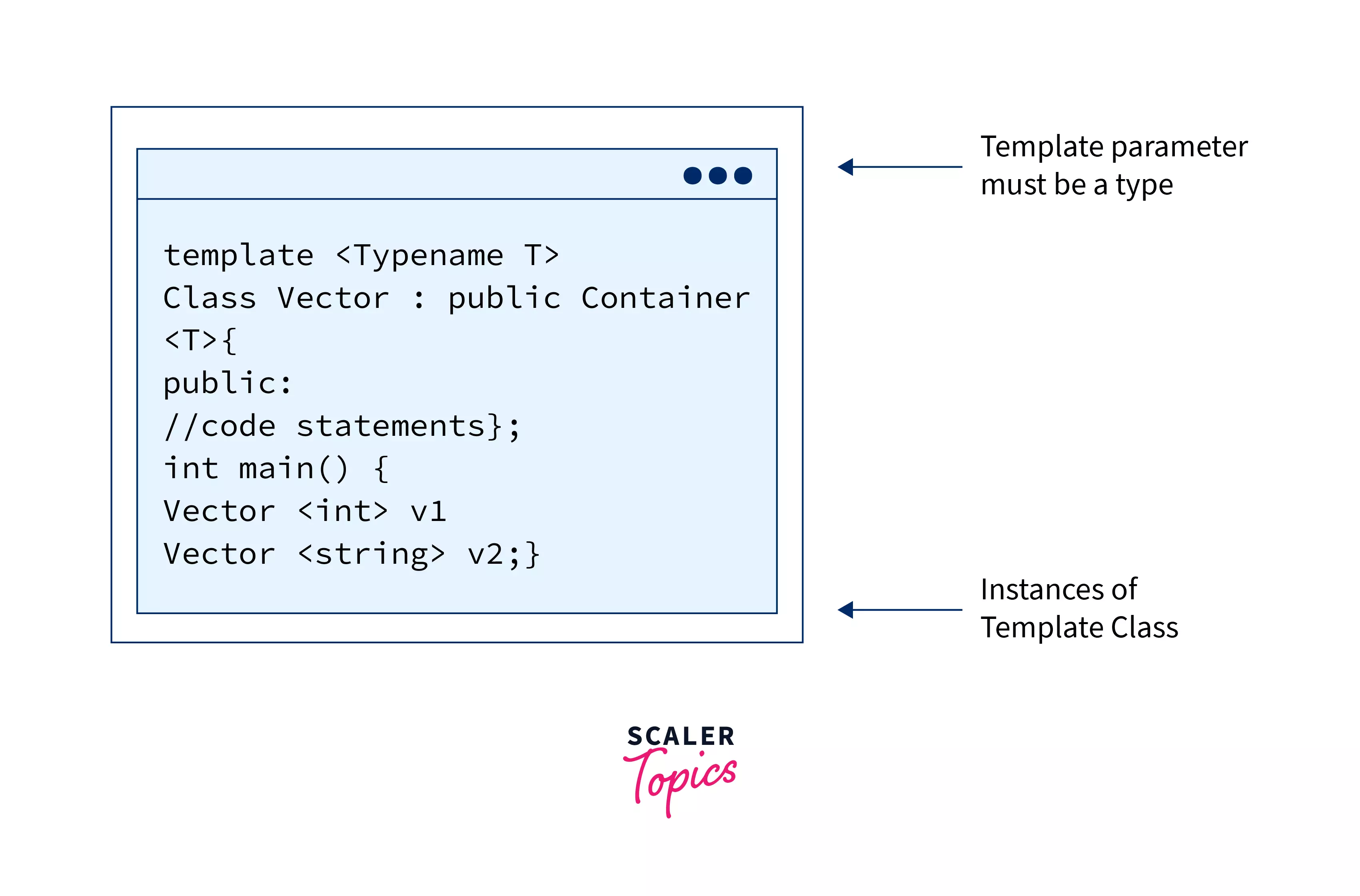
Templates in C++ With Examples Scaler Topics
Array and function types may be written in a template declaration, but they are automatically replaced by pointer to object and. Learn how to use templates to write functions and classes that work with different data types in c++. See syntax, examples and benefits of templates. Function template specialization allows you to define a custom version of a function template.
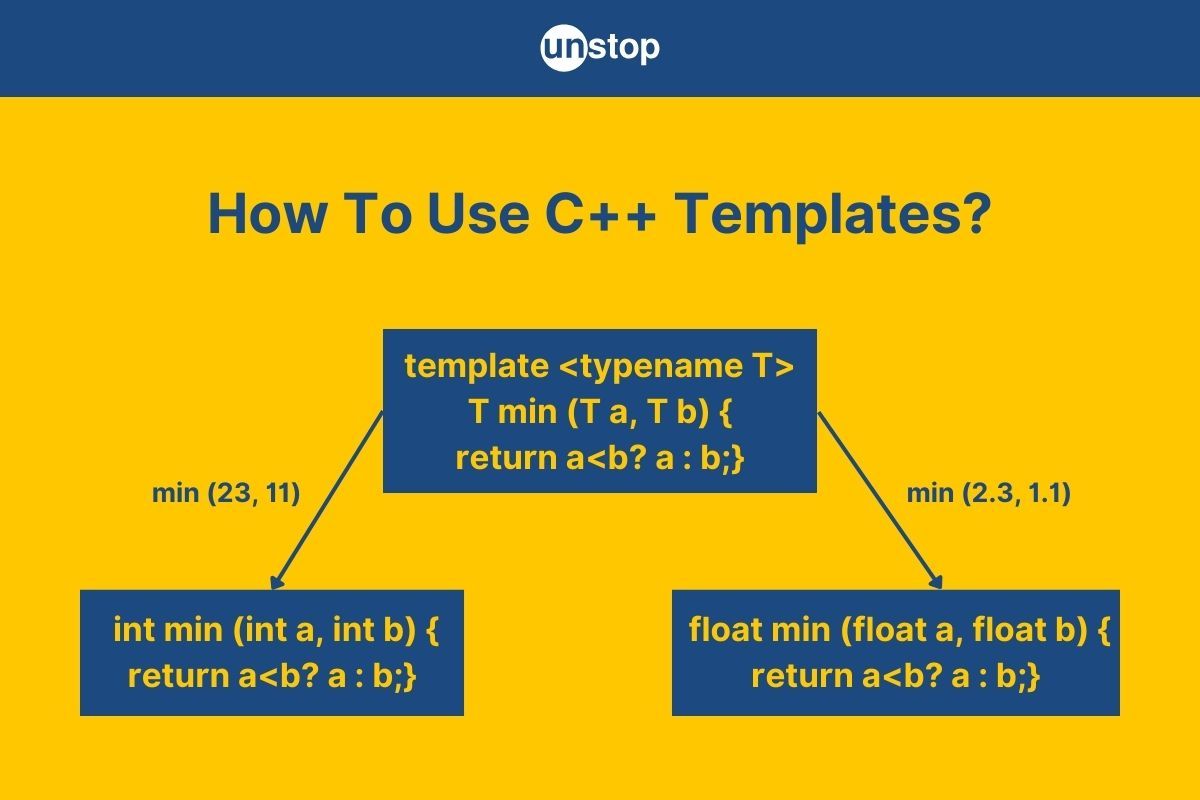
What Are C++ Templates? Types, Usage & More (+Code Examples) // Unstop
In c++, templates allow us to write generic code for functions that can be used with different data types, and this can be achieved by. Function template specialization allows you to define a custom version of a function template for a specific data type, enabling. Learn how to use templates to write functions and classes that work with different data.

How To Write Template Function In C++
Function template specialization allows you to define a custom version of a function template for a specific data type, enabling. Array and function types may be written in a template declaration, but they are automatically replaced by pointer to object and. See syntax, examples and benefits of templates. In c++, templates allow us to write generic code for functions that.
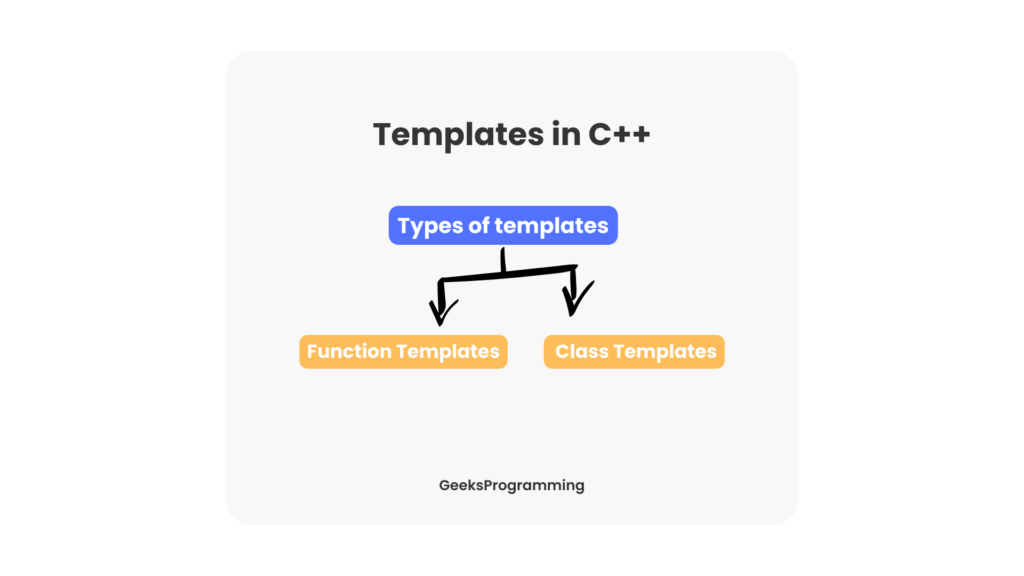
Templates In C++( Class And Functions) GeeksProgramming
Learn how to use templates to write functions and classes that work with different data types in c++. Array and function types may be written in a template declaration, but they are automatically replaced by pointer to object and. In c++, templates allow us to write generic code for functions that can be used with different data types, and this.
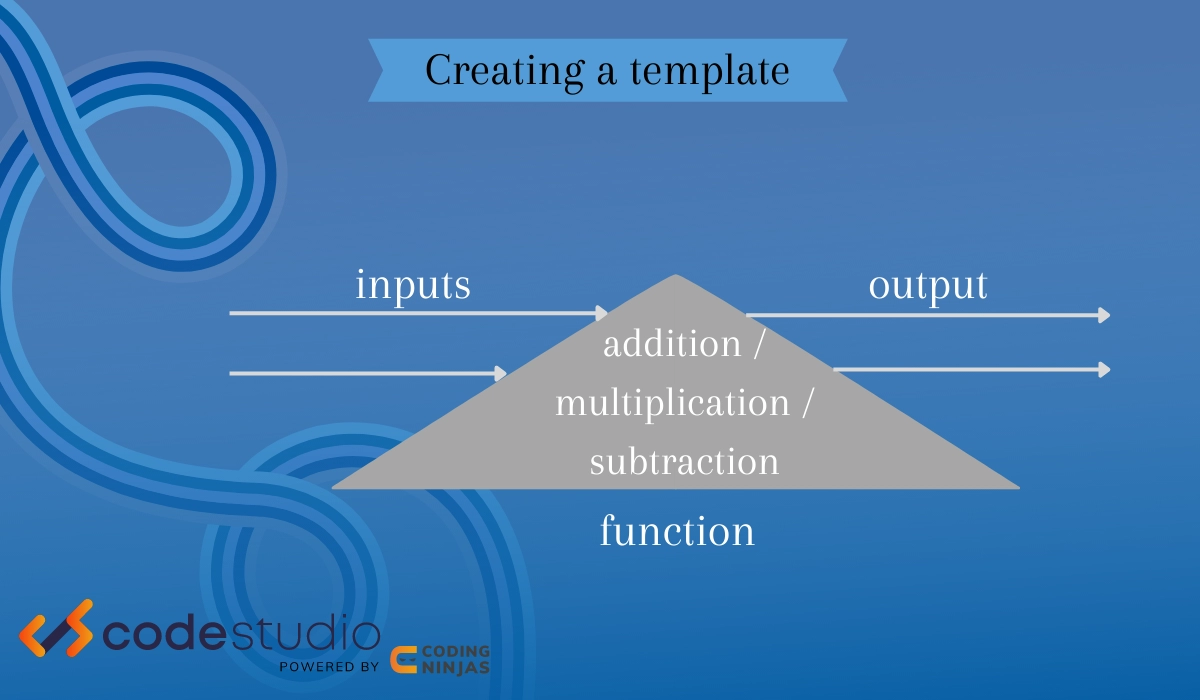
Template specialization in C++ Coding Ninjas
Array and function types may be written in a template declaration, but they are automatically replaced by pointer to object and. See syntax, examples and benefits of templates. In c++, templates allow us to write generic code for functions that can be used with different data types, and this can be achieved by. Learn how to use templates to write.
Function Template Specialization Allows You To Define A Custom Version Of A Function Template For A Specific Data Type, Enabling.
See syntax, examples and benefits of templates. Learn how to use templates to write functions and classes that work with different data types in c++. Array and function types may be written in a template declaration, but they are automatically replaced by pointer to object and. In c++, templates allow us to write generic code for functions that can be used with different data types, and this can be achieved by.