Came Rhyming Words - Past simple of come 2. “came” is correct when using the simple past tense, meaning someone or something came at a certain time in the past and is over now. We suddenly came upon a. Past simple of come 3. To find or encounter, esp. The meaning of came is past tense of come. I came across this picture when i was cleaning out the attic.
Past simple of come 2. Past simple of come 3. The meaning of came is past tense of come. “came” is correct when using the simple past tense, meaning someone or something came at a certain time in the past and is over now. I came across this picture when i was cleaning out the attic. We suddenly came upon a. To find or encounter, esp.
Past simple of come 2. We suddenly came upon a. To find or encounter, esp. The meaning of came is past tense of come. Past simple of come 3. I came across this picture when i was cleaning out the attic. “came” is correct when using the simple past tense, meaning someone or something came at a certain time in the past and is over now.
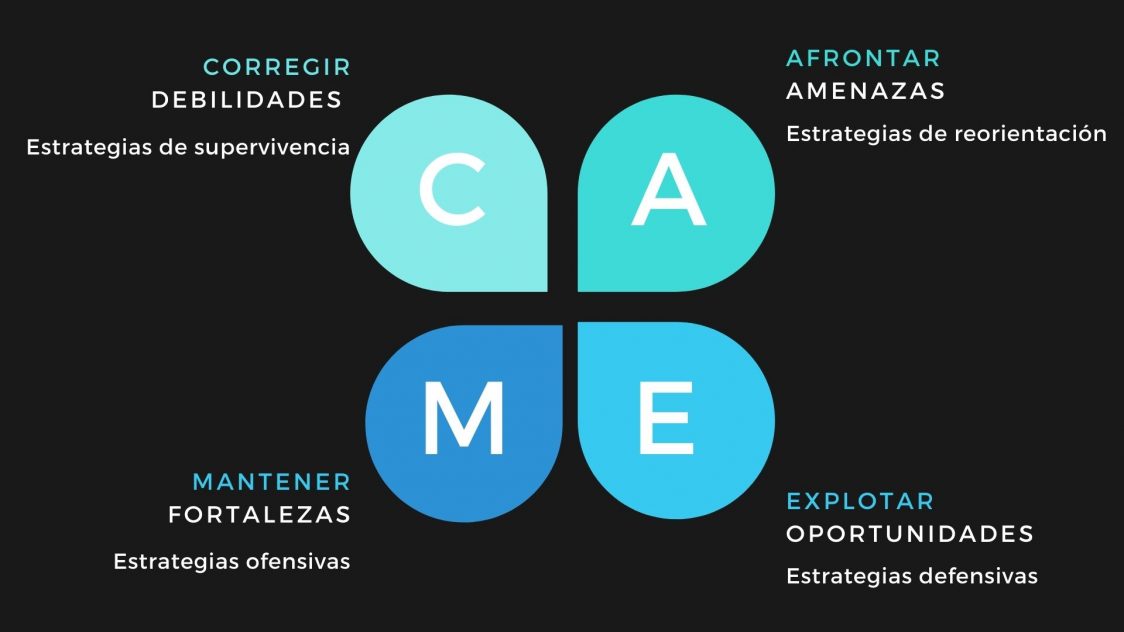
Análisis CAME qué es, cómo se hace Info MBAs
The meaning of came is past tense of come. Past simple of come 2. To find or encounter, esp. I came across this picture when i was cleaning out the attic. “came” is correct when using the simple past tense, meaning someone or something came at a certain time in the past and is over now.
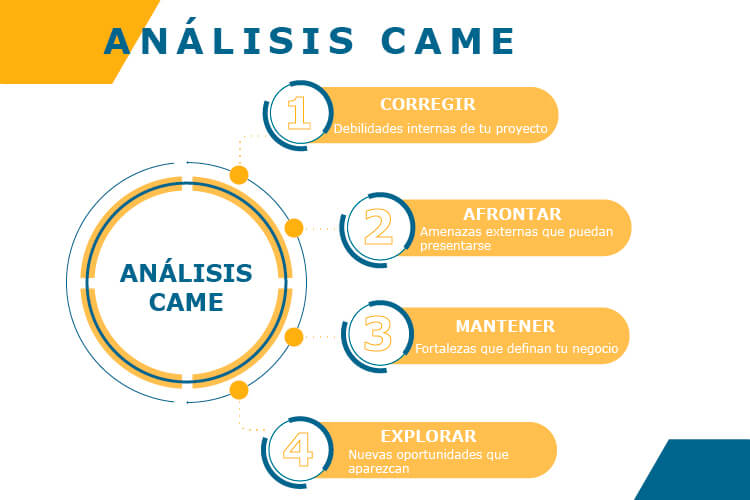
Análisis CAME Para qué sirve y Cómo se hace Paso a Paso
“came” is correct when using the simple past tense, meaning someone or something came at a certain time in the past and is over now. To find or encounter, esp. Past simple of come 3. The meaning of came is past tense of come. I came across this picture when i was cleaning out the attic.
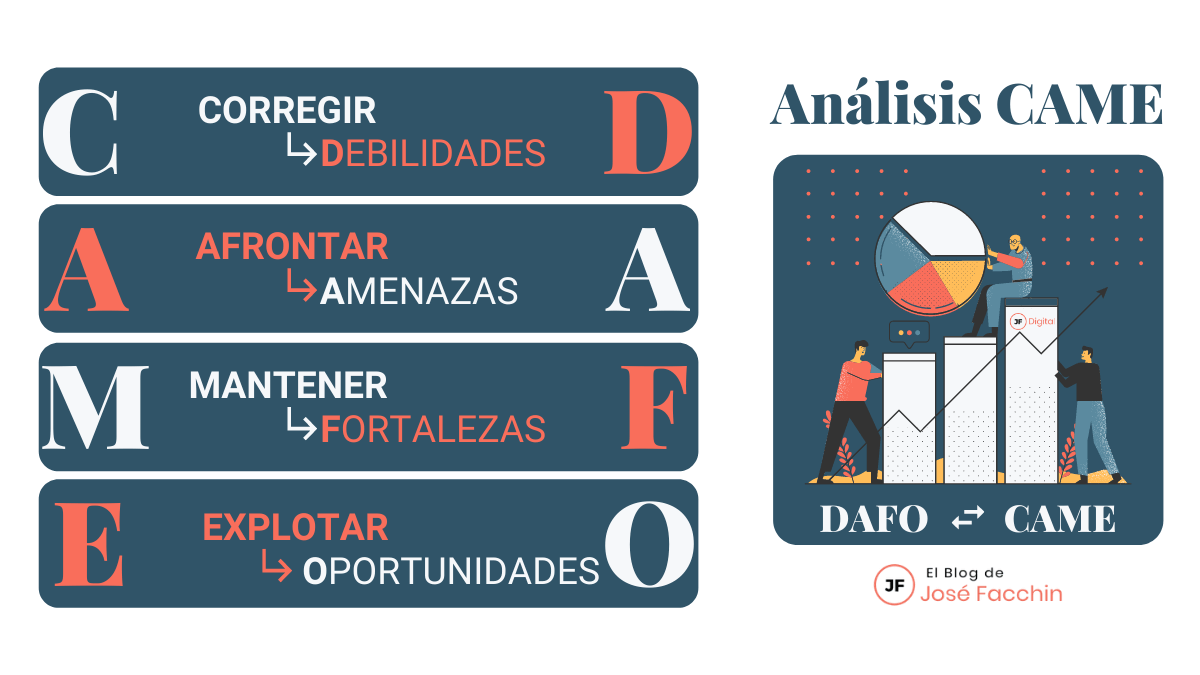
Análisis CAME ¿qué es y cómo hacerlo paso a paso? Ejemplos
Past simple of come 3. “came” is correct when using the simple past tense, meaning someone or something came at a certain time in the past and is over now. We suddenly came upon a. Past simple of come 2. The meaning of came is past tense of come.

Análisis de came ÚSENLO CON CUIDADO A ANALISIS CAME DEBILIDADES
To find or encounter, esp. “came” is correct when using the simple past tense, meaning someone or something came at a certain time in the past and is over now. I came across this picture when i was cleaning out the attic. Past simple of come 2. Past simple of come 3.

Cómo hacer un análisis CAME para crear estrategias eficaces DND
The meaning of came is past tense of come. “came” is correct when using the simple past tense, meaning someone or something came at a certain time in the past and is over now. Past simple of come 2. I came across this picture when i was cleaning out the attic. We suddenly came upon a.

Automatismes 8637 un partenaire ancré dans l’ADN de CAME France CAME
We suddenly came upon a. To find or encounter, esp. “came” is correct when using the simple past tense, meaning someone or something came at a certain time in the past and is over now. Past simple of come 2. Past simple of come 3.
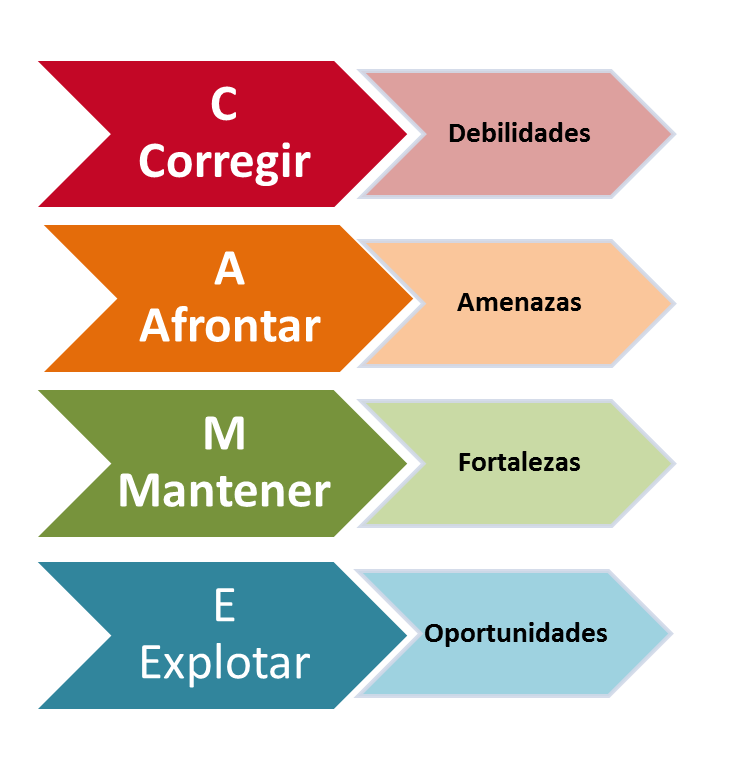
Planeación Estratégica
I came across this picture when i was cleaning out the attic. We suddenly came upon a. “came” is correct when using the simple past tense, meaning someone or something came at a certain time in the past and is over now. The meaning of came is past tense of come. Past simple of come 3.
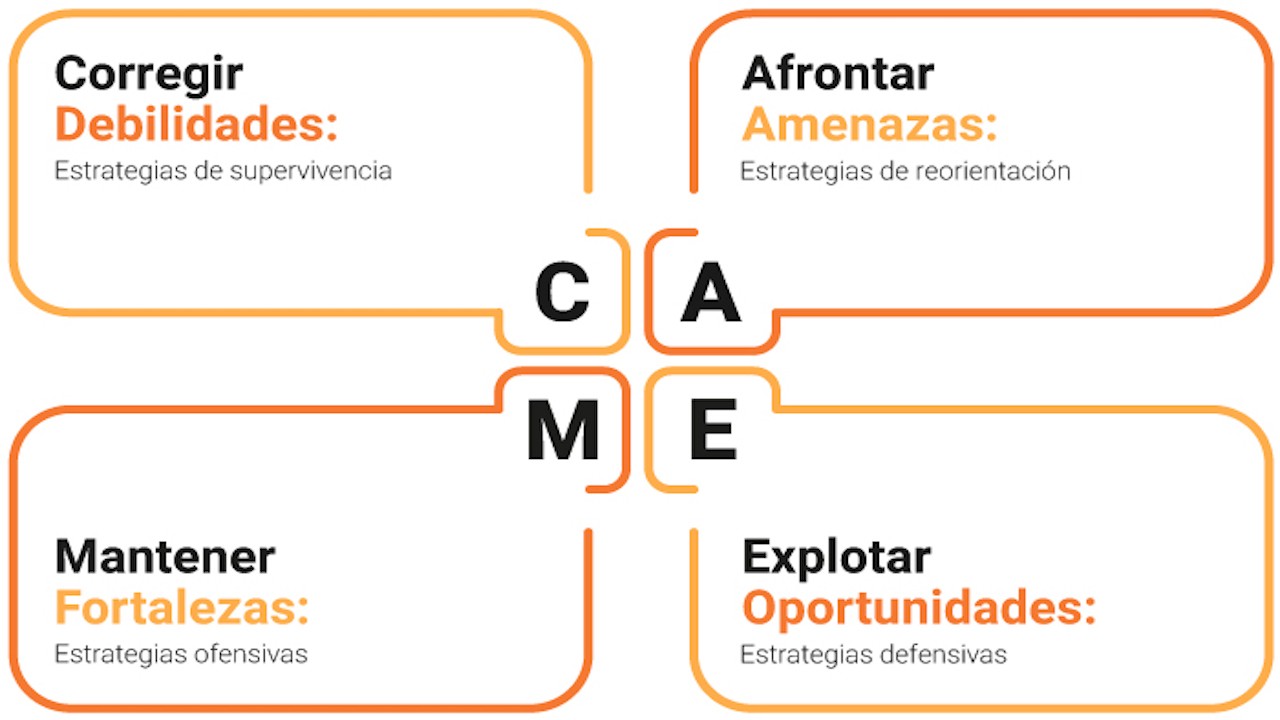
Análisis CAME para la orientación. Una herramienta de acción.
Past simple of come 2. To find or encounter, esp. “came” is correct when using the simple past tense, meaning someone or something came at a certain time in the past and is over now. I came across this picture when i was cleaning out the attic. The meaning of came is past tense of come.
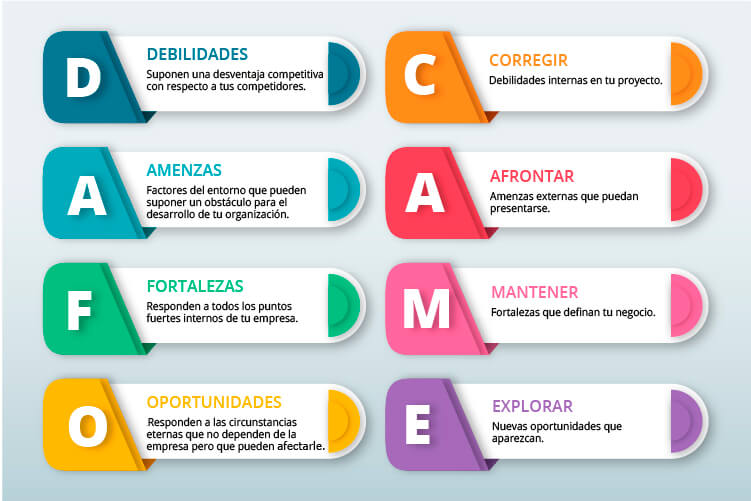
PLAN DE EMPRESA
I came across this picture when i was cleaning out the attic. We suddenly came upon a. To find or encounter, esp. Past simple of come 3. “came” is correct when using the simple past tense, meaning someone or something came at a certain time in the past and is over now.
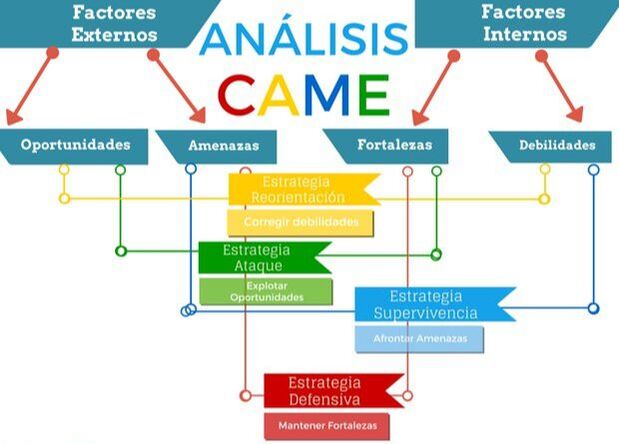
Estrategia Análisis CAME Tips Empresariales
The meaning of came is past tense of come. To find or encounter, esp. I came across this picture when i was cleaning out the attic. “came” is correct when using the simple past tense, meaning someone or something came at a certain time in the past and is over now. Past simple of come 2.
“Came” Is Correct When Using The Simple Past Tense, Meaning Someone Or Something Came At A Certain Time In The Past And Is Over Now.
I came across this picture when i was cleaning out the attic. Past simple of come 2. The meaning of came is past tense of come. We suddenly came upon a.
Past Simple Of Come 3.
To find or encounter, esp.