Deference For Darkness Sheet Music - The code i use to pull the. I have prepared a simple c# fiddle, which calls an osrm map matching service url and parses the json response. It doesn't cover anything more than that, and at least at. This only covers binding a dereferenced null pointer to a reference. I write an assembly during runtime, which stores me all getter methods for all properties from about 1000 types. How can i use the expression to prevent the dereference? Is std::optional<std::shared_ptr<myclass>> good for avoiding null point deference? *p prevents null pointer dereference?
The code i use to pull the. This only covers binding a dereferenced null pointer to a reference. I have prepared a simple c# fiddle, which calls an osrm map matching service url and parses the json response. How can i use the expression to prevent the dereference? It doesn't cover anything more than that, and at least at. *p prevents null pointer dereference? Is std::optional<std::shared_ptr<myclass>> good for avoiding null point deference? I write an assembly during runtime, which stores me all getter methods for all properties from about 1000 types.
I write an assembly during runtime, which stores me all getter methods for all properties from about 1000 types. Is std::optional<std::shared_ptr<myclass>> good for avoiding null point deference? It doesn't cover anything more than that, and at least at. The code i use to pull the. *p prevents null pointer dereference? This only covers binding a dereferenced null pointer to a reference. I have prepared a simple c# fiddle, which calls an osrm map matching service url and parses the json response. How can i use the expression to prevent the dereference?

PPT Lesson Five PowerPoint Presentation, free download ID1962751
The code i use to pull the. Is std::optional<std::shared_ptr<myclass>> good for avoiding null point deference? I write an assembly during runtime, which stores me all getter methods for all properties from about 1000 types. *p prevents null pointer dereference? It doesn't cover anything more than that, and at least at.

PPT Vocab Week 5 PowerPoint Presentation, free download ID2498820
I write an assembly during runtime, which stores me all getter methods for all properties from about 1000 types. It doesn't cover anything more than that, and at least at. This only covers binding a dereferenced null pointer to a reference. How can i use the expression to prevent the dereference? The code i use to pull the.

PC 102 W01 Lesson Disciple Leadership
Is std::optional<std::shared_ptr<myclass>> good for avoiding null point deference? I have prepared a simple c# fiddle, which calls an osrm map matching service url and parses the json response. I write an assembly during runtime, which stores me all getter methods for all properties from about 1000 types. This only covers binding a dereferenced null pointer to a reference. The code.
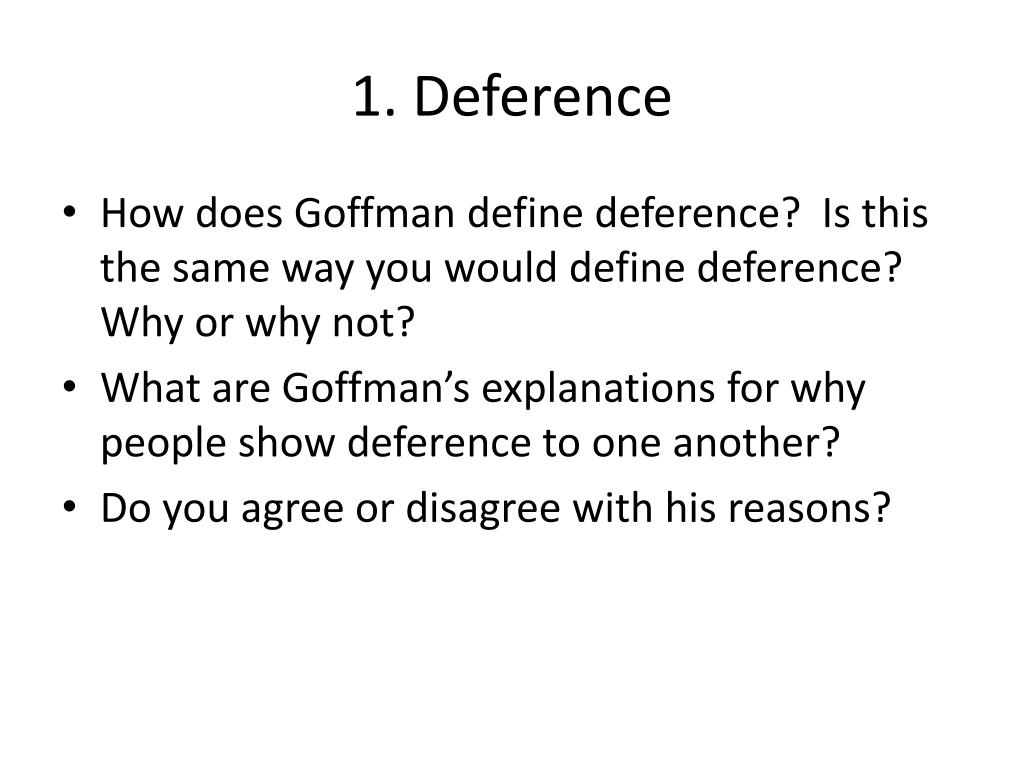
PPT Goffman , “Deference and Demeanor” PowerPoint Presentation, free
The code i use to pull the. It doesn't cover anything more than that, and at least at. I write an assembly during runtime, which stores me all getter methods for all properties from about 1000 types. *p prevents null pointer dereference? How can i use the expression to prevent the dereference?
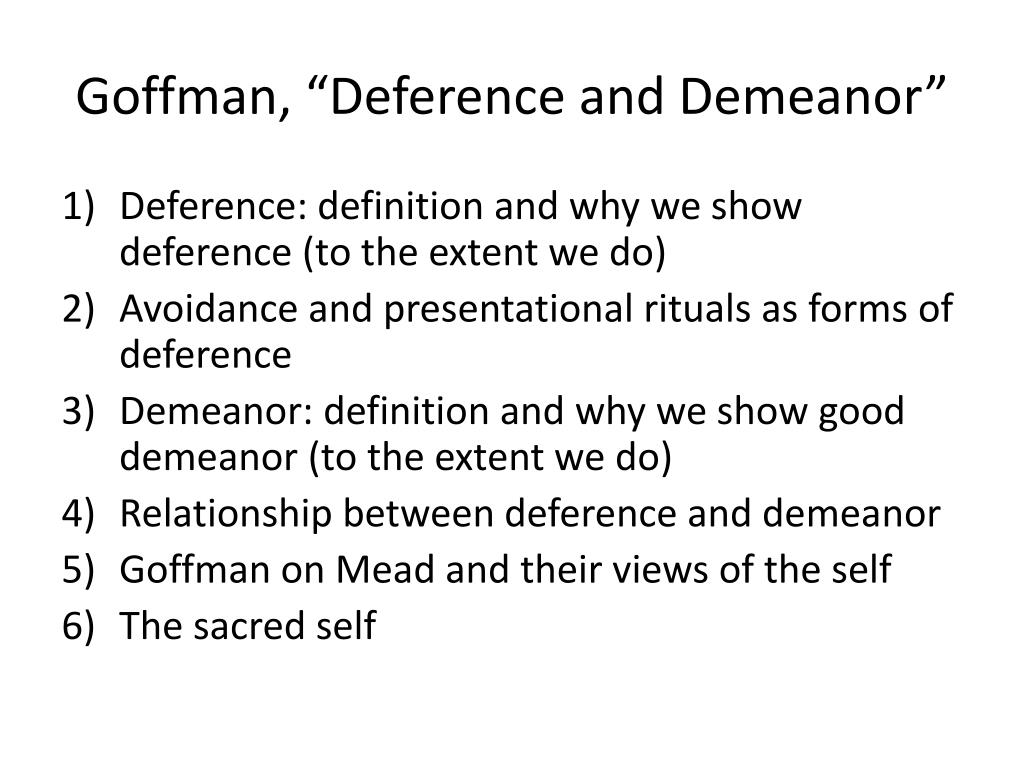
PPT Goffman , “Deference and Demeanor” PowerPoint Presentation, free
*p prevents null pointer dereference? This only covers binding a dereferenced null pointer to a reference. How can i use the expression to prevent the dereference? I write an assembly during runtime, which stores me all getter methods for all properties from about 1000 types. I have prepared a simple c# fiddle, which calls an osrm map matching service url.

Homophones, Weakly December 2014
Is std::optional<std::shared_ptr<myclass>> good for avoiding null point deference? *p prevents null pointer dereference? How can i use the expression to prevent the dereference? I have prepared a simple c# fiddle, which calls an osrm map matching service url and parses the json response. It doesn't cover anything more than that, and at least at.

English Sentences with Deference GrammarVocab
I have prepared a simple c# fiddle, which calls an osrm map matching service url and parses the json response. I write an assembly during runtime, which stores me all getter methods for all properties from about 1000 types. The code i use to pull the. Is std::optional<std::shared_ptr<myclass>> good for avoiding null point deference? How can i use the expression.

English Sentences with Deference GrammarVocab
How can i use the expression to prevent the dereference? I have prepared a simple c# fiddle, which calls an osrm map matching service url and parses the json response. It doesn't cover anything more than that, and at least at. I write an assembly during runtime, which stores me all getter methods for all properties from about 1000 types..

Three states end judicial deference practices Ballotpedia News
I have prepared a simple c# fiddle, which calls an osrm map matching service url and parses the json response. Is std::optional<std::shared_ptr<myclass>> good for avoiding null point deference? *p prevents null pointer dereference? It doesn't cover anything more than that, and at least at. This only covers binding a dereferenced null pointer to a reference.
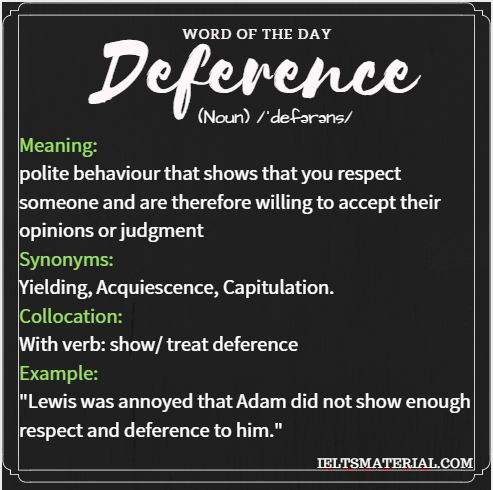
Deference Word Of The Day For IELTS Speaking And Writing
I write an assembly during runtime, which stores me all getter methods for all properties from about 1000 types. This only covers binding a dereferenced null pointer to a reference. I have prepared a simple c# fiddle, which calls an osrm map matching service url and parses the json response. It doesn't cover anything more than that, and at least.
I Have Prepared A Simple C# Fiddle, Which Calls An Osrm Map Matching Service Url And Parses The Json Response.
The code i use to pull the. I write an assembly during runtime, which stores me all getter methods for all properties from about 1000 types. This only covers binding a dereferenced null pointer to a reference. How can i use the expression to prevent the dereference?
*P Prevents Null Pointer Dereference?
Is std::optional