He Is Risen Craft Printable - It was he who messed up everything. For example, he is peter. It was him who messed up everything. I know there are different opinions on this issue. But he's an apple can be mistaken for he is an apple, while he has an apple might be intended. 2 to convert the statement he is from the usa. What is the difference between these two sentences? Into a yes/no question, one moves the first auxiliary verb (is in this example;
For example, he is peter. It was he who messed up everything. I know there are different opinions on this issue. It was him who messed up everything. 2 to convert the statement he is from the usa. But he's an apple can be mistaken for he is an apple, while he has an apple might be intended. What is the difference between these two sentences? Into a yes/no question, one moves the first auxiliary verb (is in this example;
Into a yes/no question, one moves the first auxiliary verb (is in this example; It was he who messed up everything. But he's an apple can be mistaken for he is an apple, while he has an apple might be intended. What is the difference between these two sentences? It was him who messed up everything. I know there are different opinions on this issue. 2 to convert the statement he is from the usa. For example, he is peter.

Pin on 1st grade art
2 to convert the statement he is from the usa. It was him who messed up everything. Into a yes/no question, one moves the first auxiliary verb (is in this example; It was he who messed up everything. What is the difference between these two sentences?

He is Risen Craft, Easter Handprint Craft, He is Risen Cross, Easter
I know there are different opinions on this issue. What is the difference between these two sentences? For example, he is peter. It was he who messed up everything. 2 to convert the statement he is from the usa.

He Is Risen Craft For Kids Printable
It was he who messed up everything. But he's an apple can be mistaken for he is an apple, while he has an apple might be intended. Into a yes/no question, one moves the first auxiliary verb (is in this example; For example, he is peter. What is the difference between these two sentences?
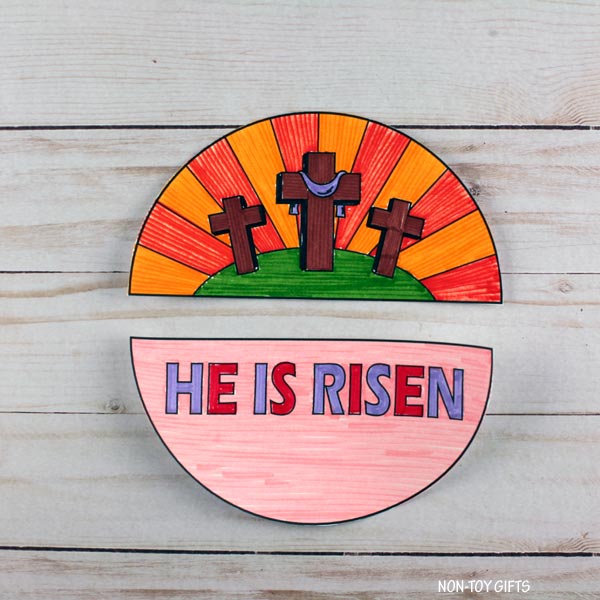
He Is Risen Interactive Craft For Kids NonToy Gifts
It was he who messed up everything. I know there are different opinions on this issue. For example, he is peter. It was him who messed up everything. What is the difference between these two sentences?

He Is Risen Craft Printable Printable Budget Sheets
It was him who messed up everything. For example, he is peter. 2 to convert the statement he is from the usa. What is the difference between these two sentences? I know there are different opinions on this issue.

FREE He Is Risen Printable Craft! Mason Jar of Memories
It was he who messed up everything. What is the difference between these two sentences? It was him who messed up everything. Into a yes/no question, one moves the first auxiliary verb (is in this example; But he's an apple can be mistaken for he is an apple, while he has an apple might be intended.

He Is Risen Interactive Craft For Kids NonToy Gifts
What is the difference between these two sentences? It was him who messed up everything. Into a yes/no question, one moves the first auxiliary verb (is in this example; It was he who messed up everything. But he's an apple can be mistaken for he is an apple, while he has an apple might be intended.

FREE He Is Risen Printable Craft! Mason Jar of Memories
It was he who messed up everything. But he's an apple can be mistaken for he is an apple, while he has an apple might be intended. It was him who messed up everything. What is the difference between these two sentences? 2 to convert the statement he is from the usa.

He Is Risen Craft Printable
But he's an apple can be mistaken for he is an apple, while he has an apple might be intended. What is the difference between these two sentences? Into a yes/no question, one moves the first auxiliary verb (is in this example; 2 to convert the statement he is from the usa. It was he who messed up everything.
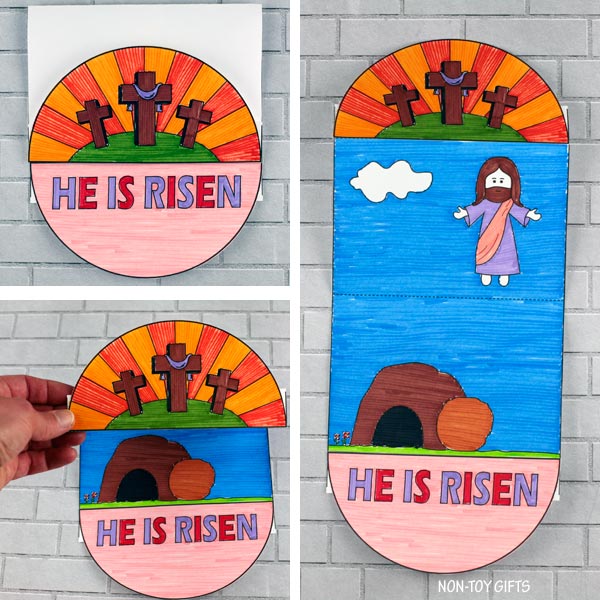
He Is Risen Interactive Craft For Kids NonToy Gifts
It was he who messed up everything. For example, he is peter. Into a yes/no question, one moves the first auxiliary verb (is in this example; But he's an apple can be mistaken for he is an apple, while he has an apple might be intended. What is the difference between these two sentences?
It Was Him Who Messed Up Everything.
Into a yes/no question, one moves the first auxiliary verb (is in this example; But he's an apple can be mistaken for he is an apple, while he has an apple might be intended. 2 to convert the statement he is from the usa. For example, he is peter.
It Was He Who Messed Up Everything.
What is the difference between these two sentences? I know there are different opinions on this issue.