Sql Template - Which of these queries is the faster? 11 in sql, anything you evaluate / compute with null results into unknown this is why select * from mytable where mycolumn. The @custid means it's a parameter that you will supply a value for later in your code. Select productid, productname from northwind.products p where not exists (. Microsoft themselves recommend using <> over != specifically for ansi compliance, e.g. Asked 11 years, 10 months ago modified 4 years, 1 month ago viewed 81k times This is the best way of protecting against sql injection.
Microsoft themselves recommend using <> over != specifically for ansi compliance, e.g. Asked 11 years, 10 months ago modified 4 years, 1 month ago viewed 81k times Which of these queries is the faster? 11 in sql, anything you evaluate / compute with null results into unknown this is why select * from mytable where mycolumn. This is the best way of protecting against sql injection. Select productid, productname from northwind.products p where not exists (. The @custid means it's a parameter that you will supply a value for later in your code.
Microsoft themselves recommend using <> over != specifically for ansi compliance, e.g. Select productid, productname from northwind.products p where not exists (. 11 in sql, anything you evaluate / compute with null results into unknown this is why select * from mytable where mycolumn. Which of these queries is the faster? The @custid means it's a parameter that you will supply a value for later in your code. Asked 11 years, 10 months ago modified 4 years, 1 month ago viewed 81k times This is the best way of protecting against sql injection.
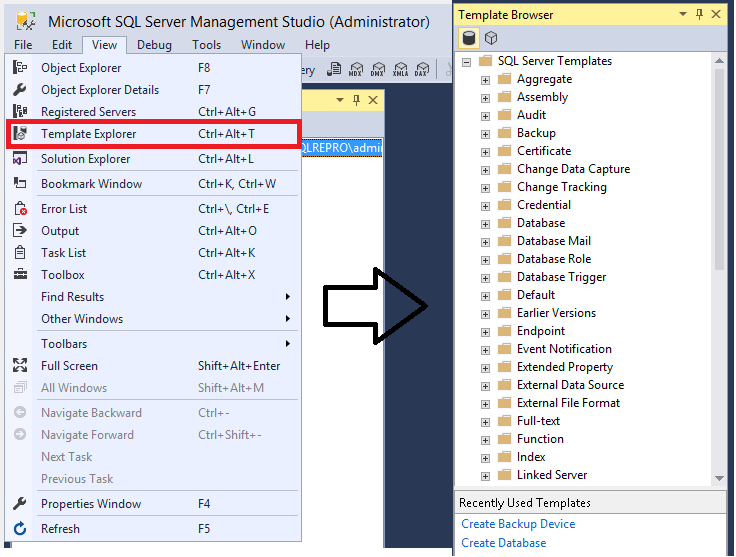
Microsoft SQL Server Management Studio Review
Microsoft themselves recommend using <> over != specifically for ansi compliance, e.g. Select productid, productname from northwind.products p where not exists (. Asked 11 years, 10 months ago modified 4 years, 1 month ago viewed 81k times 11 in sql, anything you evaluate / compute with null results into unknown this is why select * from mytable where mycolumn. This.

SQL Query Templates Holistics 2.0 Docs
Which of these queries is the faster? The @custid means it's a parameter that you will supply a value for later in your code. Asked 11 years, 10 months ago modified 4 years, 1 month ago viewed 81k times Select productid, productname from northwind.products p where not exists (. This is the best way of protecting against sql injection.
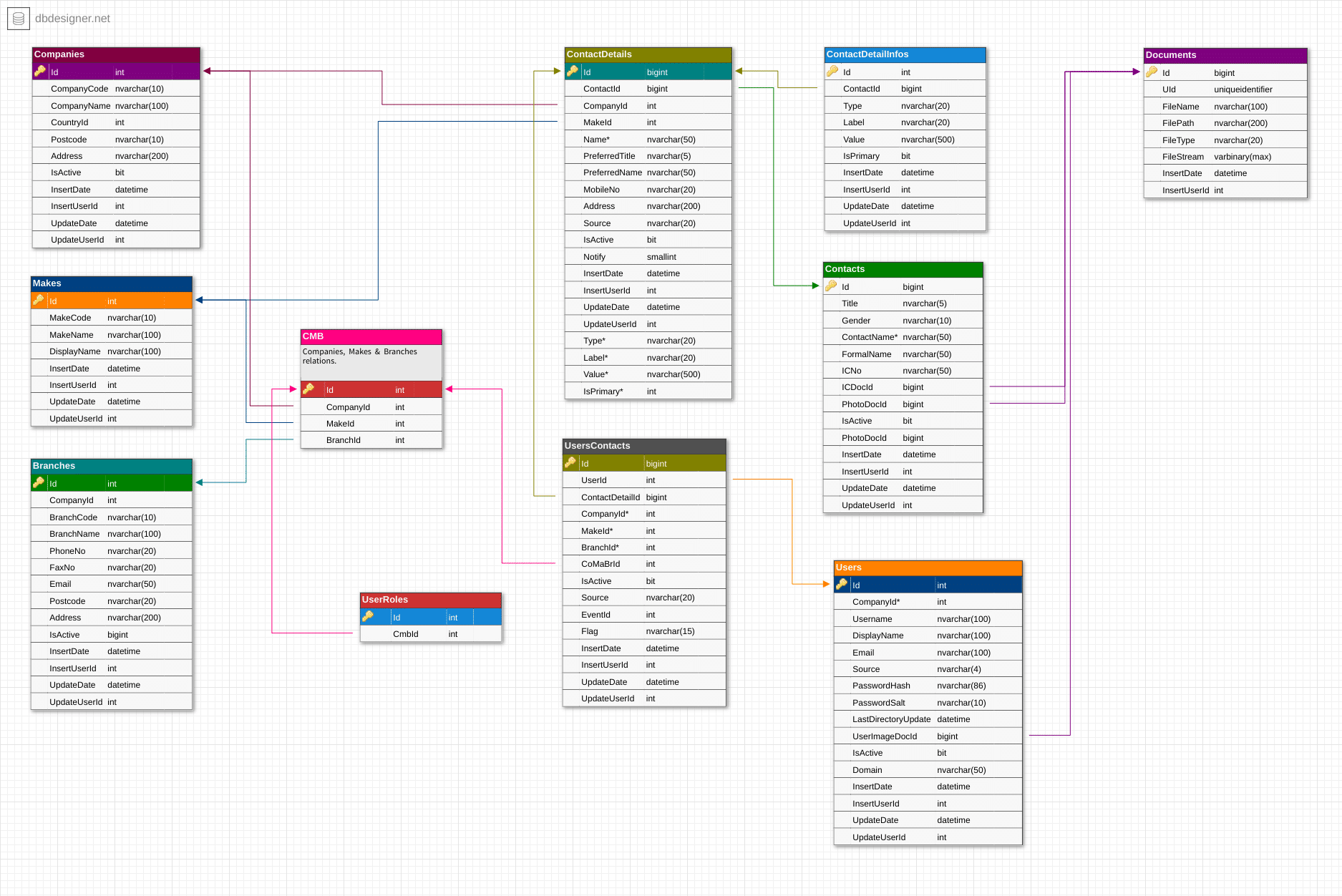
Sql Database Templates
11 in sql, anything you evaluate / compute with null results into unknown this is why select * from mytable where mycolumn. Microsoft themselves recommend using <> over != specifically for ansi compliance, e.g. Asked 11 years, 10 months ago modified 4 years, 1 month ago viewed 81k times Select productid, productname from northwind.products p where not exists (. The.
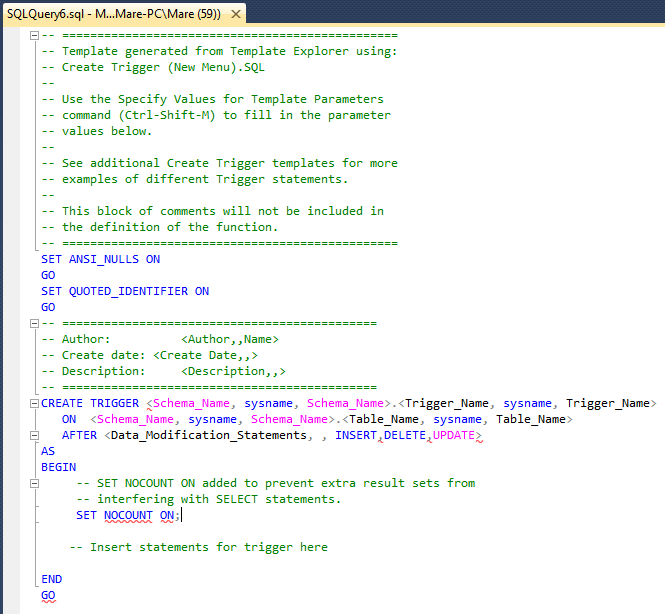
How to create and customize SQL Server Templates
Microsoft themselves recommend using <> over != specifically for ansi compliance, e.g. 11 in sql, anything you evaluate / compute with null results into unknown this is why select * from mytable where mycolumn. Select productid, productname from northwind.products p where not exists (. Which of these queries is the faster? The @custid means it's a parameter that you will.
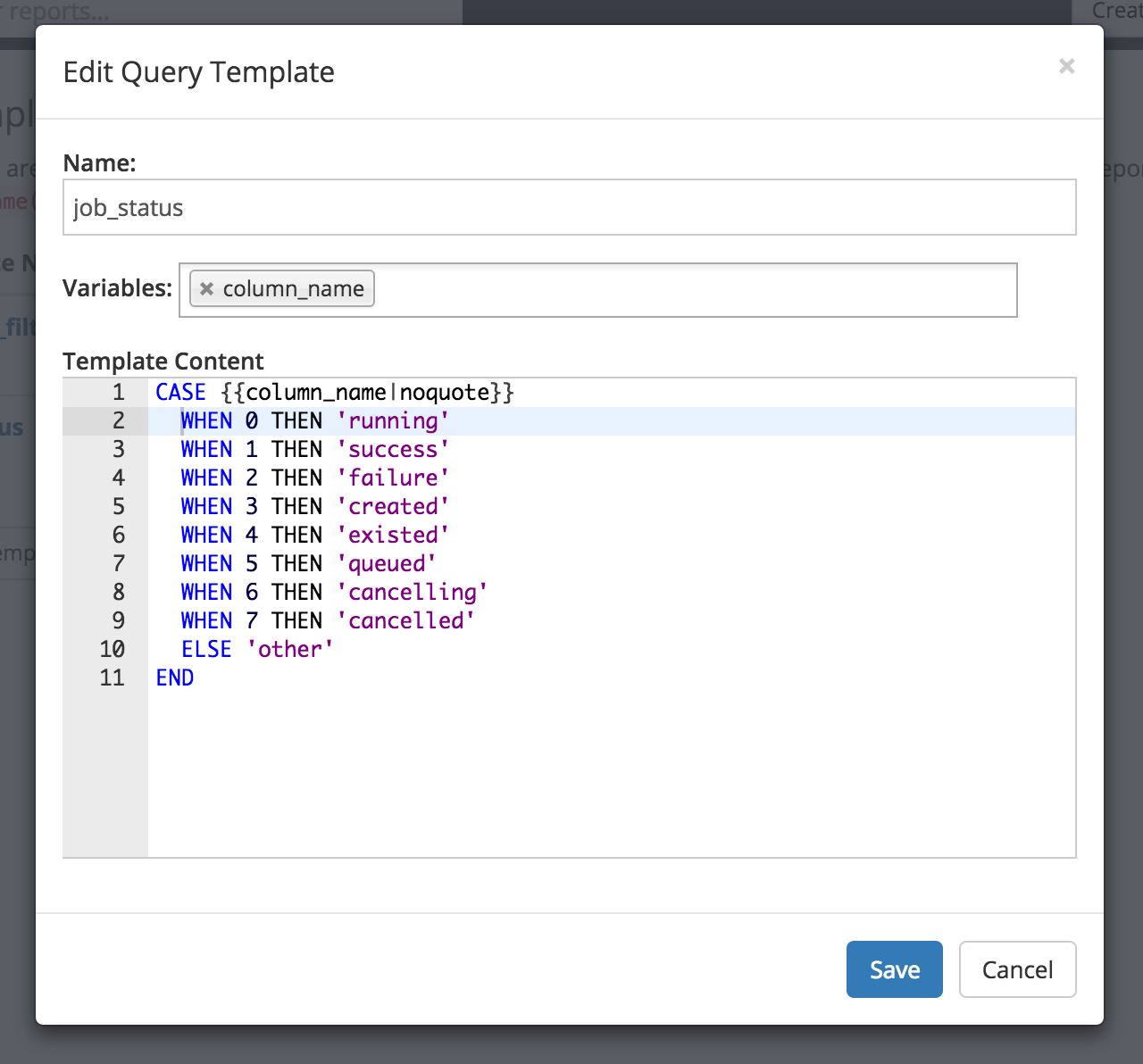
Quick Guide Refactor SQLs into Reusable Components Holistics BI
Microsoft themselves recommend using <> over != specifically for ansi compliance, e.g. This is the best way of protecting against sql injection. Select productid, productname from northwind.products p where not exists (. The @custid means it's a parameter that you will supply a value for later in your code. Asked 11 years, 10 months ago modified 4 years, 1 month.
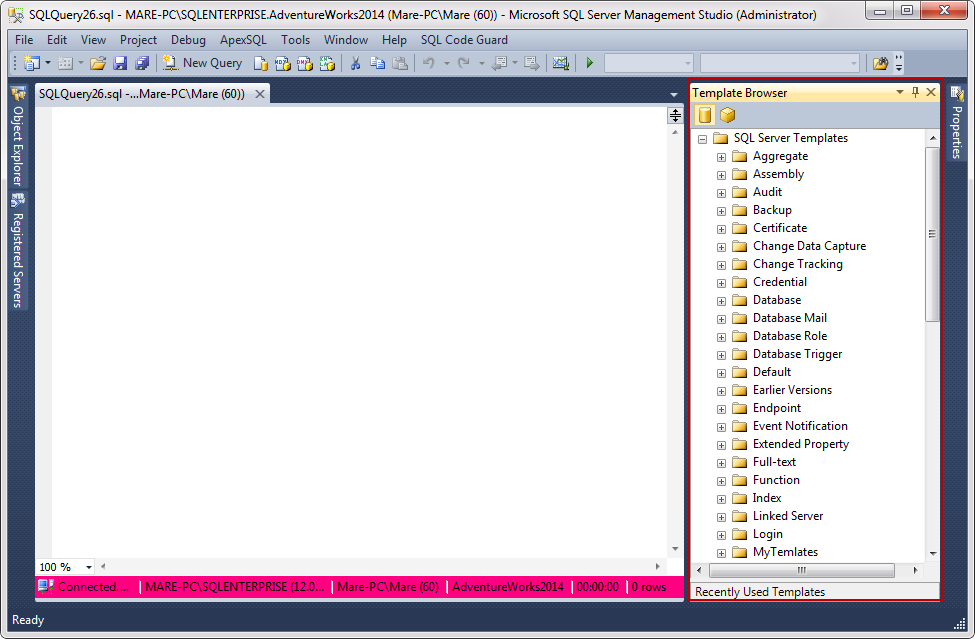
How to create and customize SQL Server Templates
This is the best way of protecting against sql injection. The @custid means it's a parameter that you will supply a value for later in your code. Which of these queries is the faster? Select productid, productname from northwind.products p where not exists (. Asked 11 years, 10 months ago modified 4 years, 1 month ago viewed 81k times
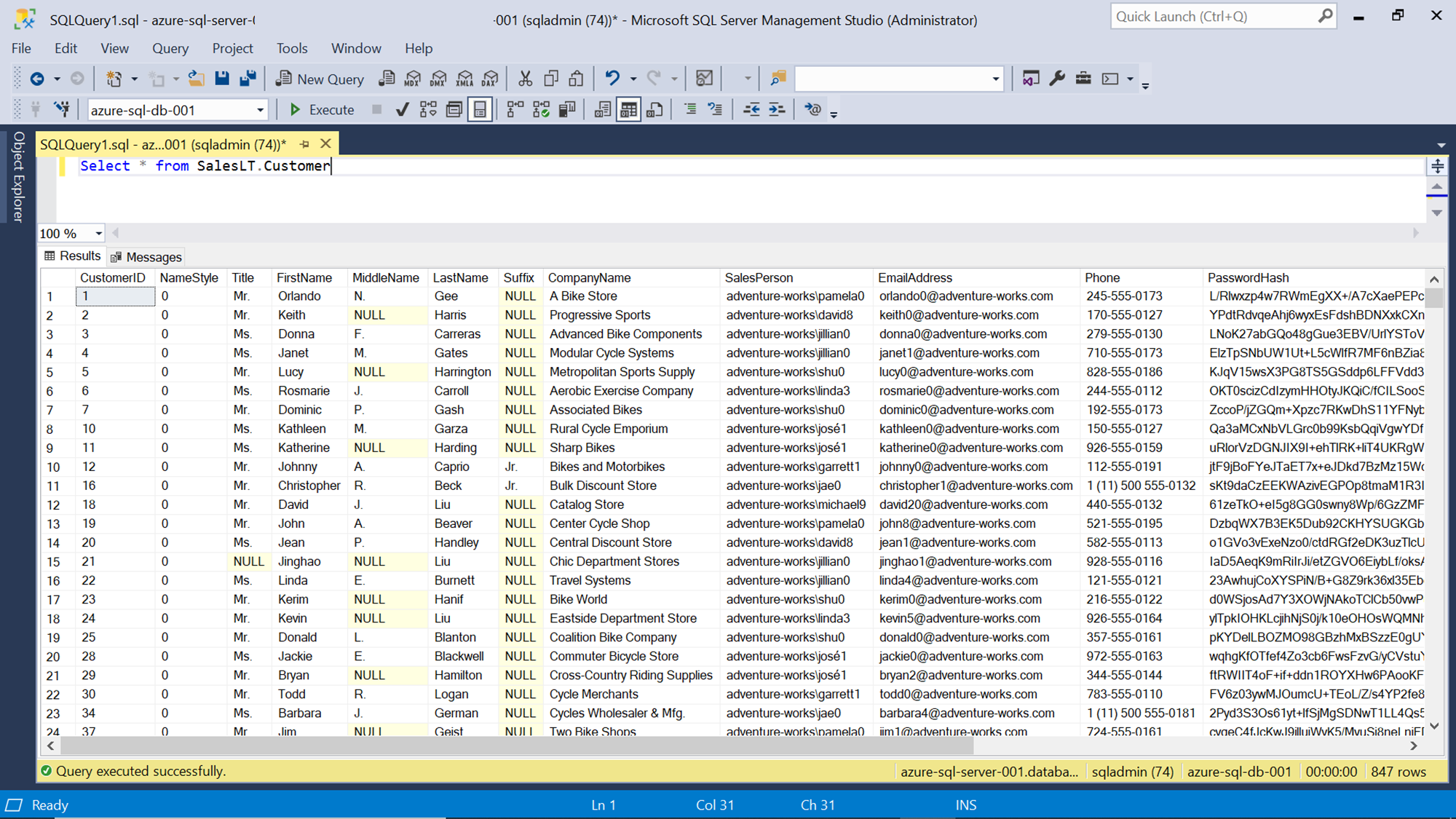
Sql Database Templates
Microsoft themselves recommend using <> over != specifically for ansi compliance, e.g. 11 in sql, anything you evaluate / compute with null results into unknown this is why select * from mytable where mycolumn. Select productid, productname from northwind.products p where not exists (. Asked 11 years, 10 months ago modified 4 years, 1 month ago viewed 81k times Which.
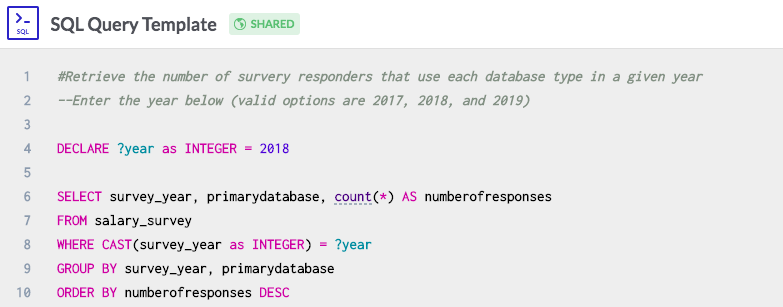
Creating SQL query templates
The @custid means it's a parameter that you will supply a value for later in your code. 11 in sql, anything you evaluate / compute with null results into unknown this is why select * from mytable where mycolumn. Which of these queries is the faster? Asked 11 years, 10 months ago modified 4 years, 1 month ago viewed 81k.
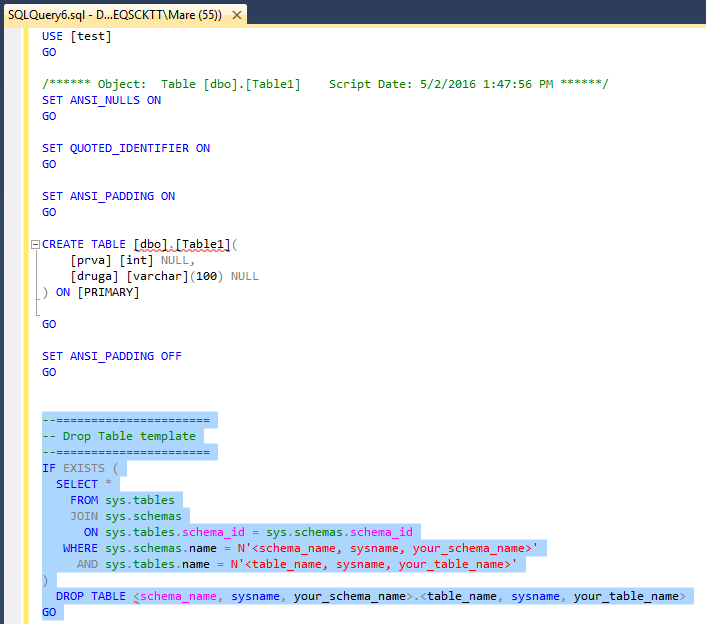
How to create and customize SQL Server Templates
Select productid, productname from northwind.products p where not exists (. Which of these queries is the faster? Microsoft themselves recommend using <> over != specifically for ansi compliance, e.g. This is the best way of protecting against sql injection. The @custid means it's a parameter that you will supply a value for later in your code.
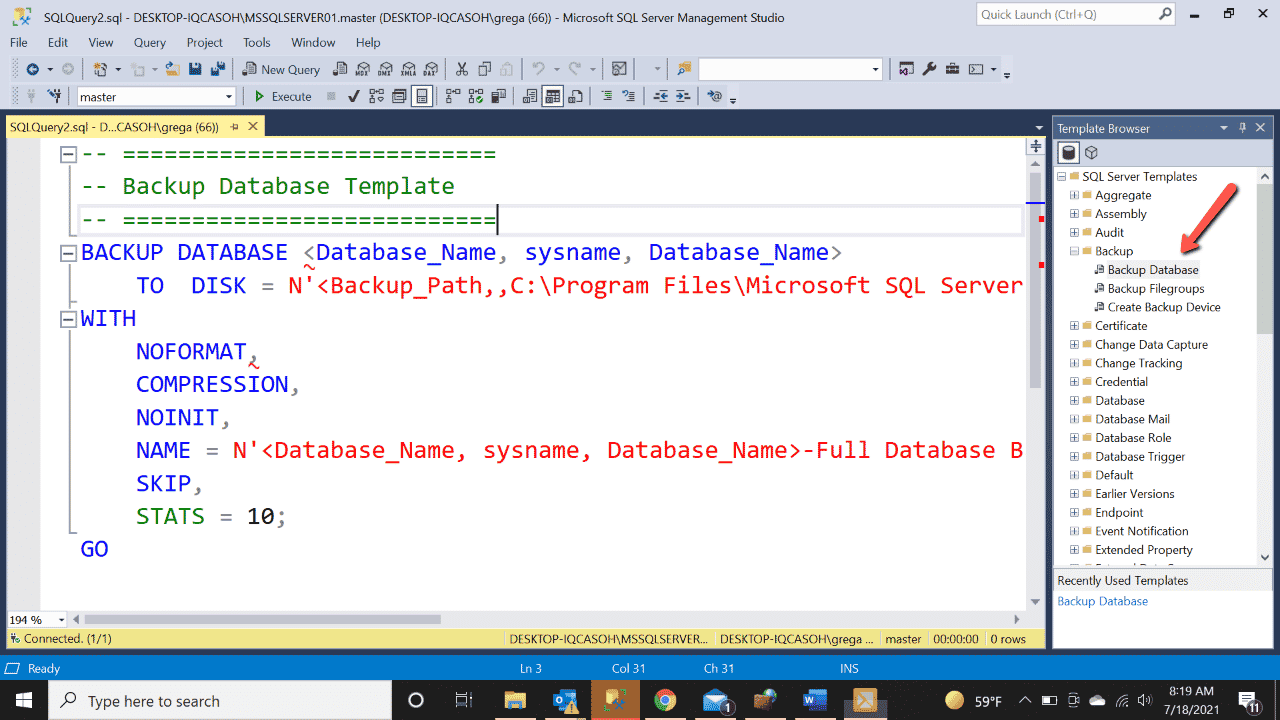
Exploring Templates in SQL Server Management Studio
Which of these queries is the faster? 11 in sql, anything you evaluate / compute with null results into unknown this is why select * from mytable where mycolumn. Microsoft themselves recommend using <> over != specifically for ansi compliance, e.g. This is the best way of protecting against sql injection. Asked 11 years, 10 months ago modified 4 years,.
Which Of These Queries Is The Faster?
The @custid means it's a parameter that you will supply a value for later in your code. Select productid, productname from northwind.products p where not exists (. 11 in sql, anything you evaluate / compute with null results into unknown this is why select * from mytable where mycolumn. This is the best way of protecting against sql injection.
Microsoft Themselves Recommend Using <> Over != Specifically For Ansi Compliance, E.g.
Asked 11 years, 10 months ago modified 4 years, 1 month ago viewed 81k times