Super Easy Sheet Music Piano - In the child template, i would like to include everything that was in the head block from the base (by calling {{ super()) }} and include some. This occurs when i invoke the fit method on the randomizedsearchcv object. For now, i only see it as a hack, but it was. In fact, multiple inheritance is the only case where super() is of any use. As for chaining super::super, as i mentionned in the question, i have still to find an interesting use to that. I would not recommend using it with classes using linear inheritance, where it's. But the main advantage comes with multiple inheritance,. Super() lets you avoid referring to the base class explicitly, which can be nice. 'super' object has no attribute '__sklearn_tags__'.
I would not recommend using it with classes using linear inheritance, where it's. In the child template, i would like to include everything that was in the head block from the base (by calling {{ super()) }} and include some. Super() lets you avoid referring to the base class explicitly, which can be nice. This occurs when i invoke the fit method on the randomizedsearchcv object. But the main advantage comes with multiple inheritance,. In fact, multiple inheritance is the only case where super() is of any use. For now, i only see it as a hack, but it was. 'super' object has no attribute '__sklearn_tags__'. As for chaining super::super, as i mentionned in the question, i have still to find an interesting use to that.
I would not recommend using it with classes using linear inheritance, where it's. But the main advantage comes with multiple inheritance,. In the child template, i would like to include everything that was in the head block from the base (by calling {{ super()) }} and include some. For now, i only see it as a hack, but it was. In fact, multiple inheritance is the only case where super() is of any use. 'super' object has no attribute '__sklearn_tags__'. This occurs when i invoke the fit method on the randomizedsearchcv object. Super() lets you avoid referring to the base class explicitly, which can be nice. As for chaining super::super, as i mentionned in the question, i have still to find an interesting use to that.

You Belong With Me (Super Easy Piano) Print Sheet Music Now
I would not recommend using it with classes using linear inheritance, where it's. But the main advantage comes with multiple inheritance,. In the child template, i would like to include everything that was in the head block from the base (by calling {{ super()) }} and include some. In fact, multiple inheritance is the only case where super() is of.

Fight Song by Rachel Platten Sheet Music for Super Easy Piano at Sheet
In the child template, i would like to include everything that was in the head block from the base (by calling {{ super()) }} and include some. Super() lets you avoid referring to the base class explicitly, which can be nice. In fact, multiple inheritance is the only case where super() is of any use. 'super' object has no attribute.

Easy Sheet Music For Beginners Easy free Christmas piano sheet music
'super' object has no attribute '__sklearn_tags__'. As for chaining super::super, as i mentionned in the question, i have still to find an interesting use to that. But the main advantage comes with multiple inheritance,. For now, i only see it as a hack, but it was. Super() lets you avoid referring to the base class explicitly, which can be nice.

Dreams Piano Sheet Music
Super() lets you avoid referring to the base class explicitly, which can be nice. I would not recommend using it with classes using linear inheritance, where it's. As for chaining super::super, as i mentionned in the question, i have still to find an interesting use to that. For now, i only see it as a hack, but it was. 'super'.

Golden Hour by Jvke Sheet Music for Super Easy Piano at Sheet Music Direct
For now, i only see it as a hack, but it was. But the main advantage comes with multiple inheritance,. Super() lets you avoid referring to the base class explicitly, which can be nice. This occurs when i invoke the fit method on the randomizedsearchcv object. 'super' object has no attribute '__sklearn_tags__'.
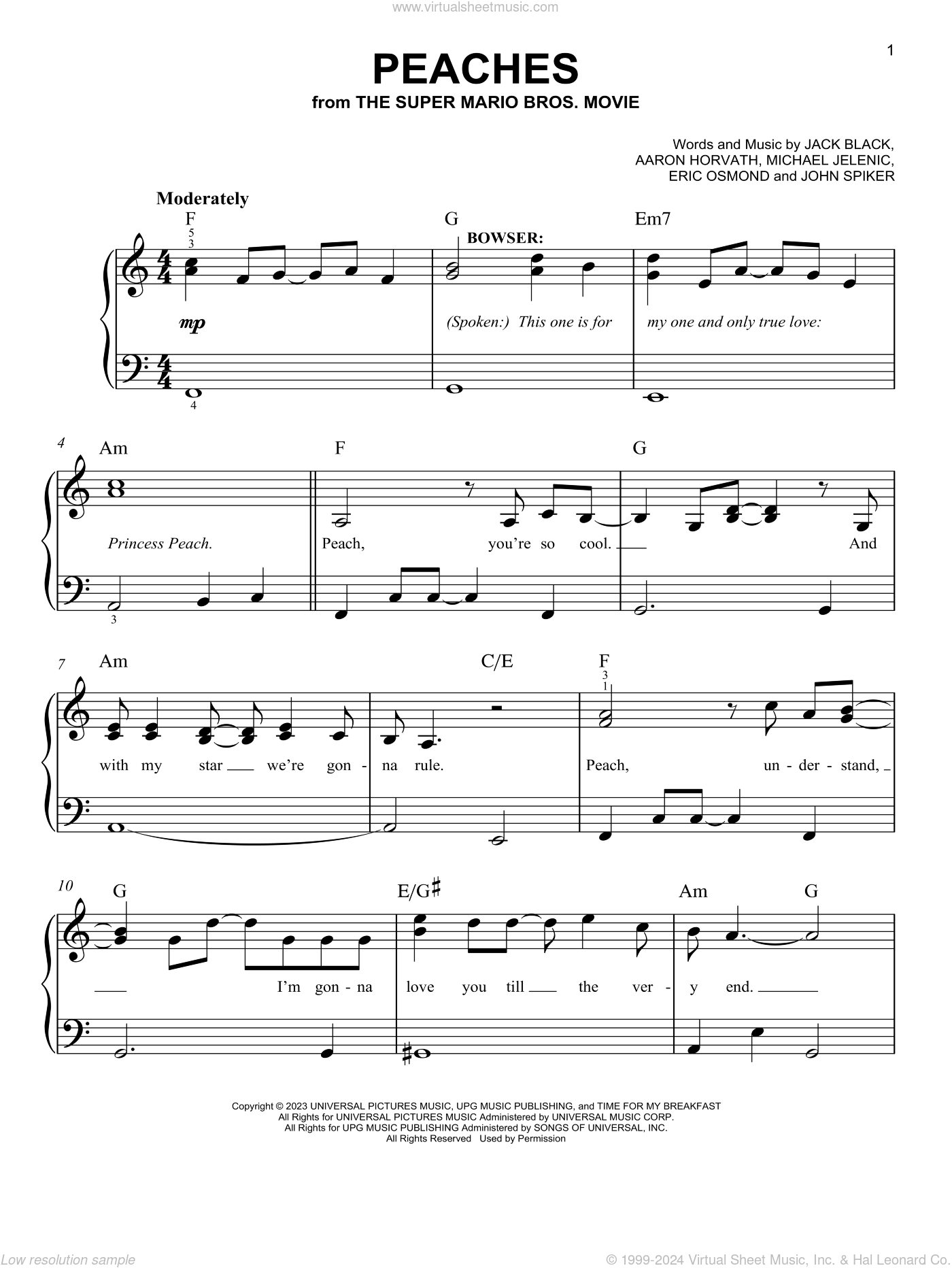
Peaches (from The Super Mario Bros. Movie), (easy) sheet music for
Super() lets you avoid referring to the base class explicitly, which can be nice. In the child template, i would like to include everything that was in the head block from the base (by calling {{ super()) }} and include some. But the main advantage comes with multiple inheritance,. I would not recommend using it with classes using linear inheritance,.

Bohemian Rhapsody Sheet Music Queen Super Easy Piano
In fact, multiple inheritance is the only case where super() is of any use. 'super' object has no attribute '__sklearn_tags__'. For now, i only see it as a hack, but it was. But the main advantage comes with multiple inheritance,. Super() lets you avoid referring to the base class explicitly, which can be nice.

piano sheet music piano man Piano mansimple versionbilly joel stave
I would not recommend using it with classes using linear inheritance, where it's. In the child template, i would like to include everything that was in the head block from the base (by calling {{ super()) }} and include some. 'super' object has no attribute '__sklearn_tags__'. In fact, multiple inheritance is the only case where super() is of any use..
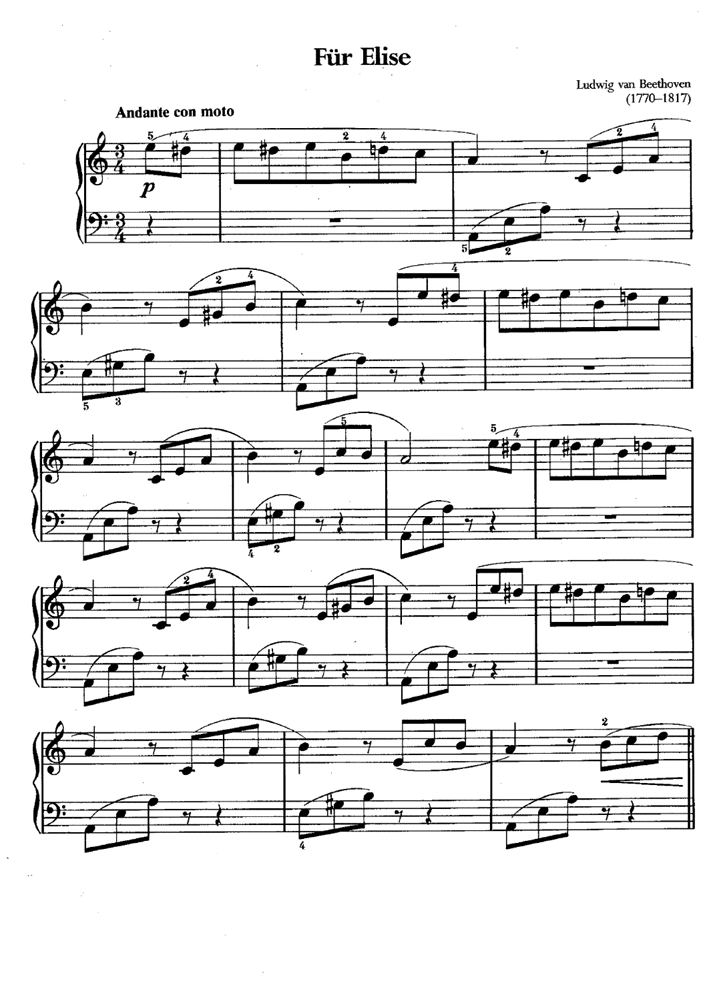
Beethoven FUR ELISE Easy Piano Sheet music Easy Sheet Music
'super' object has no attribute '__sklearn_tags__'. This occurs when i invoke the fit method on the randomizedsearchcv object. Super() lets you avoid referring to the base class explicitly, which can be nice. In the child template, i would like to include everything that was in the head block from the base (by calling {{ super()) }} and include some. As.

Easy Piano Sheet Music Free
'super' object has no attribute '__sklearn_tags__'. Super() lets you avoid referring to the base class explicitly, which can be nice. In fact, multiple inheritance is the only case where super() is of any use. But the main advantage comes with multiple inheritance,. In the child template, i would like to include everything that was in the head block from the.
But The Main Advantage Comes With Multiple Inheritance,.
I would not recommend using it with classes using linear inheritance, where it's. 'super' object has no attribute '__sklearn_tags__'. This occurs when i invoke the fit method on the randomizedsearchcv object. For now, i only see it as a hack, but it was.
Super() Lets You Avoid Referring To The Base Class Explicitly, Which Can Be Nice.
In fact, multiple inheritance is the only case where super() is of any use. In the child template, i would like to include everything that was in the head block from the base (by calling {{ super()) }} and include some. As for chaining super::super, as i mentionned in the question, i have still to find an interesting use to that.