To Whom It May Concern Letter Format Word - They are the ones who sent me the gift), and whom refers to someone receiving the action. We use whom to refer to people in formal styles or in writing, when the person is the object of the verb. What’s the difference between who and whom? Below we share three tricks for how to. Who is the subject of a sentence or clause (who is performing the action), whereas. Who refers to someone performing the action of a verb (e.g. We don’t use it very often and we use it more. But in more formal contexts and to be grammatically correct, that first who should be whom. Use this they/them method to decide whether who or whom is correct.
But in more formal contexts and to be grammatically correct, that first who should be whom. Who is the subject of a sentence or clause (who is performing the action), whereas. We don’t use it very often and we use it more. What’s the difference between who and whom? They are the ones who sent me the gift), and whom refers to someone receiving the action. Below we share three tricks for how to. We use whom to refer to people in formal styles or in writing, when the person is the object of the verb. Use this they/them method to decide whether who or whom is correct. Who refers to someone performing the action of a verb (e.g.
They are the ones who sent me the gift), and whom refers to someone receiving the action. But in more formal contexts and to be grammatically correct, that first who should be whom. We don’t use it very often and we use it more. Below we share three tricks for how to. Who is the subject of a sentence or clause (who is performing the action), whereas. What’s the difference between who and whom? Use this they/them method to decide whether who or whom is correct. We use whom to refer to people in formal styles or in writing, when the person is the object of the verb. Who refers to someone performing the action of a verb (e.g.

Iowa State's Jack Trice's fatal onfield college football trampling
Below we share three tricks for how to. Use this they/them method to decide whether who or whom is correct. Who is the subject of a sentence or clause (who is performing the action), whereas. They are the ones who sent me the gift), and whom refers to someone receiving the action. We don’t use it very often and we.

To Whom It May Concern Template Word My XXX Hot Girl
Who refers to someone performing the action of a verb (e.g. They are the ones who sent me the gift), and whom refers to someone receiving the action. Use this they/them method to decide whether who or whom is correct. Who is the subject of a sentence or clause (who is performing the action), whereas. We use whom to refer.
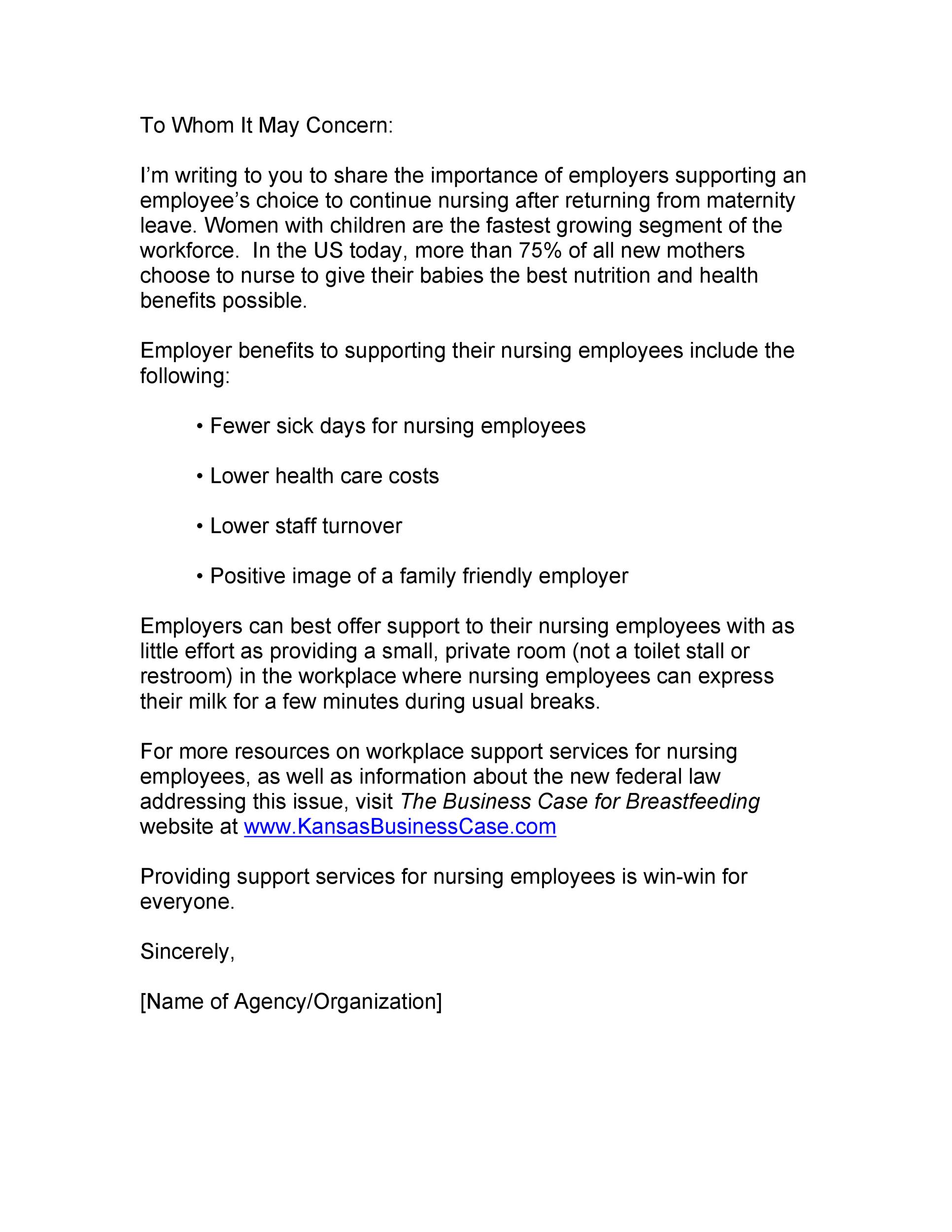
Formal letter to whom it may concern taketea
Who refers to someone performing the action of a verb (e.g. What’s the difference between who and whom? They are the ones who sent me the gift), and whom refers to someone receiving the action. Use this they/them method to decide whether who or whom is correct. Who is the subject of a sentence or clause (who is performing the.
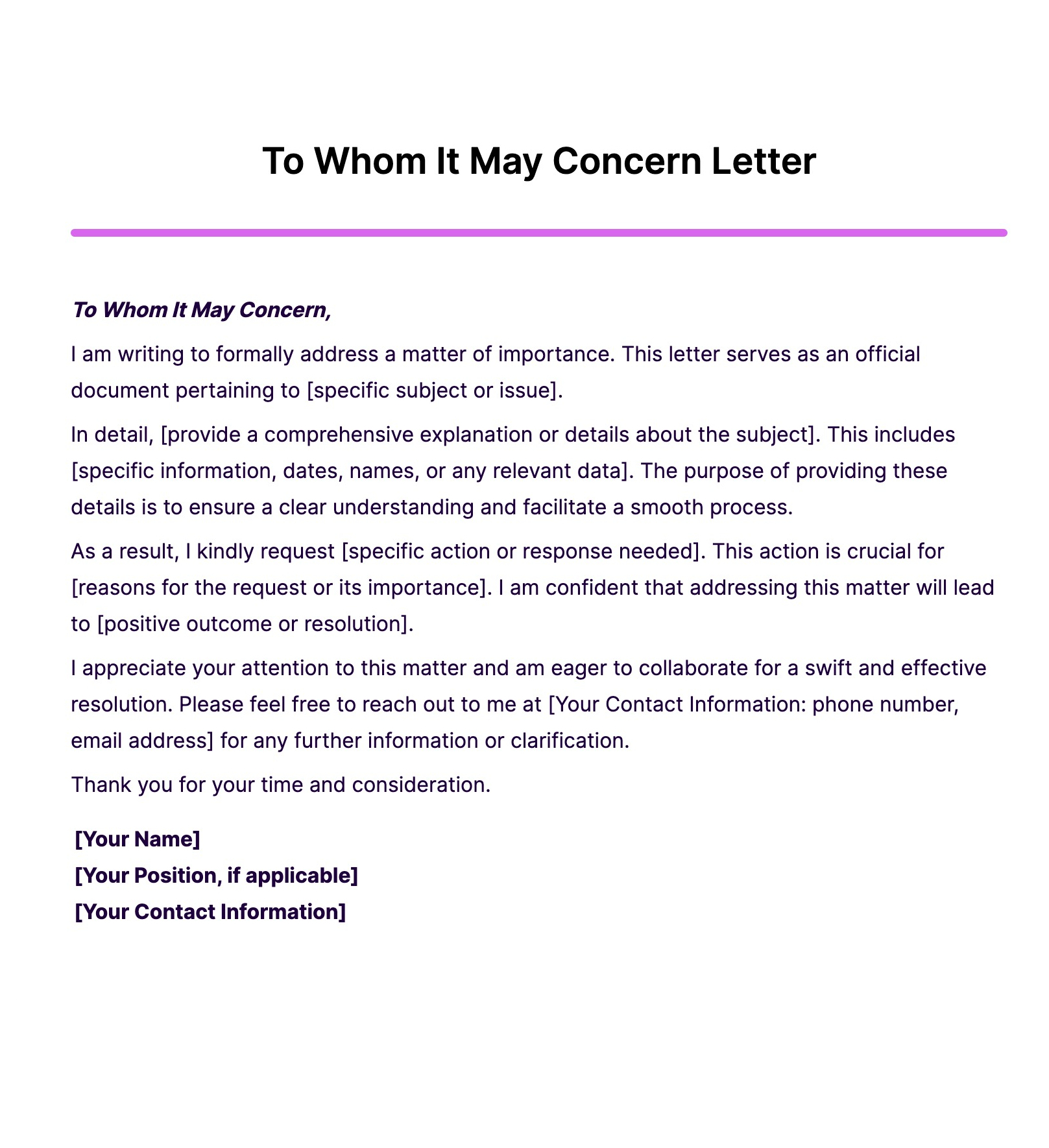
To Whom It May Concern Letter Format
We don’t use it very often and we use it more. We use whom to refer to people in formal styles or in writing, when the person is the object of the verb. They are the ones who sent me the gift), and whom refers to someone receiving the action. But in more formal contexts and to be grammatically correct,.
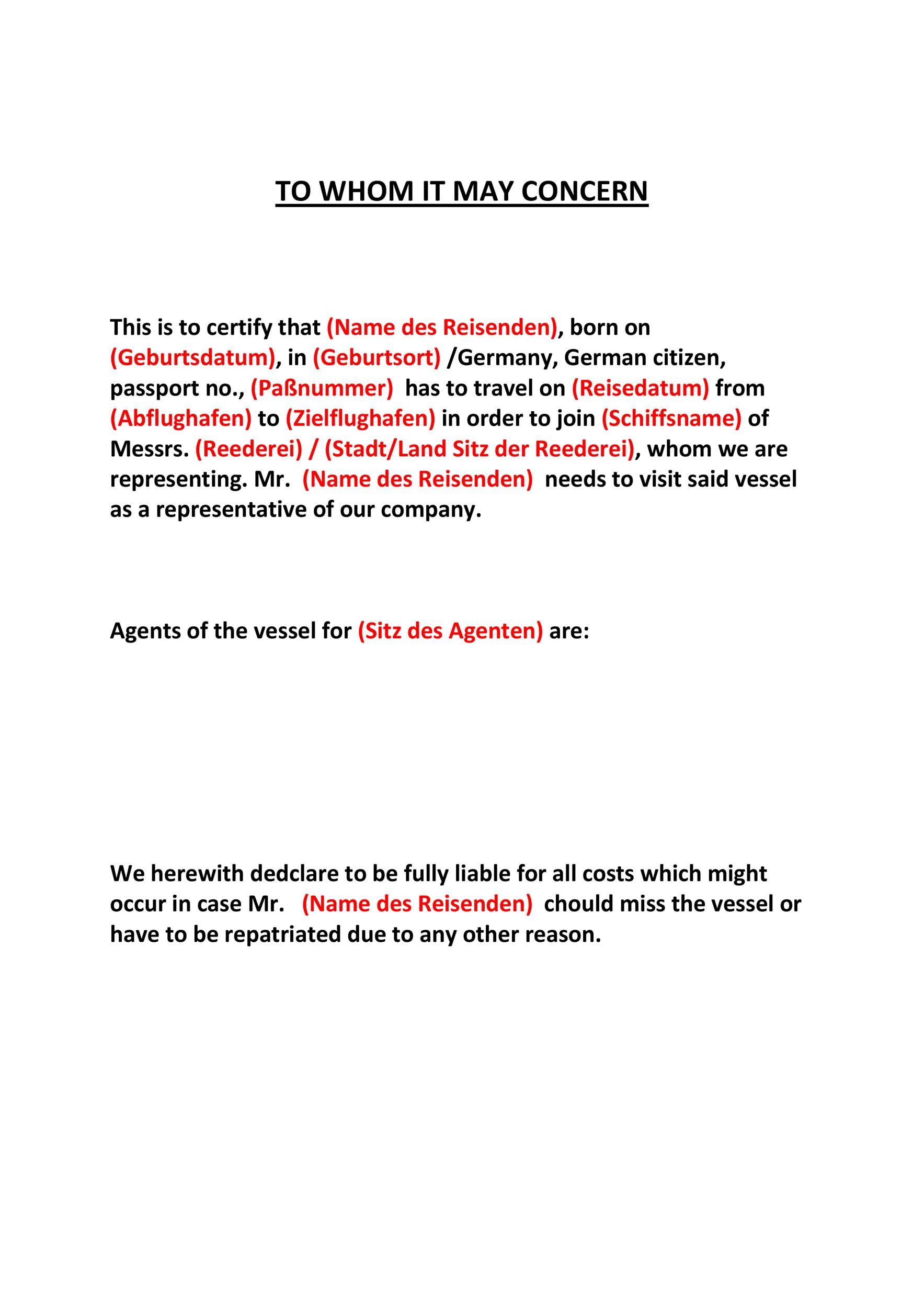
Template Letter To Whom It May Concern
Use this they/them method to decide whether who or whom is correct. Who is the subject of a sentence or clause (who is performing the action), whereas. Who refers to someone performing the action of a verb (e.g. We use whom to refer to people in formal styles or in writing, when the person is the object of the verb..
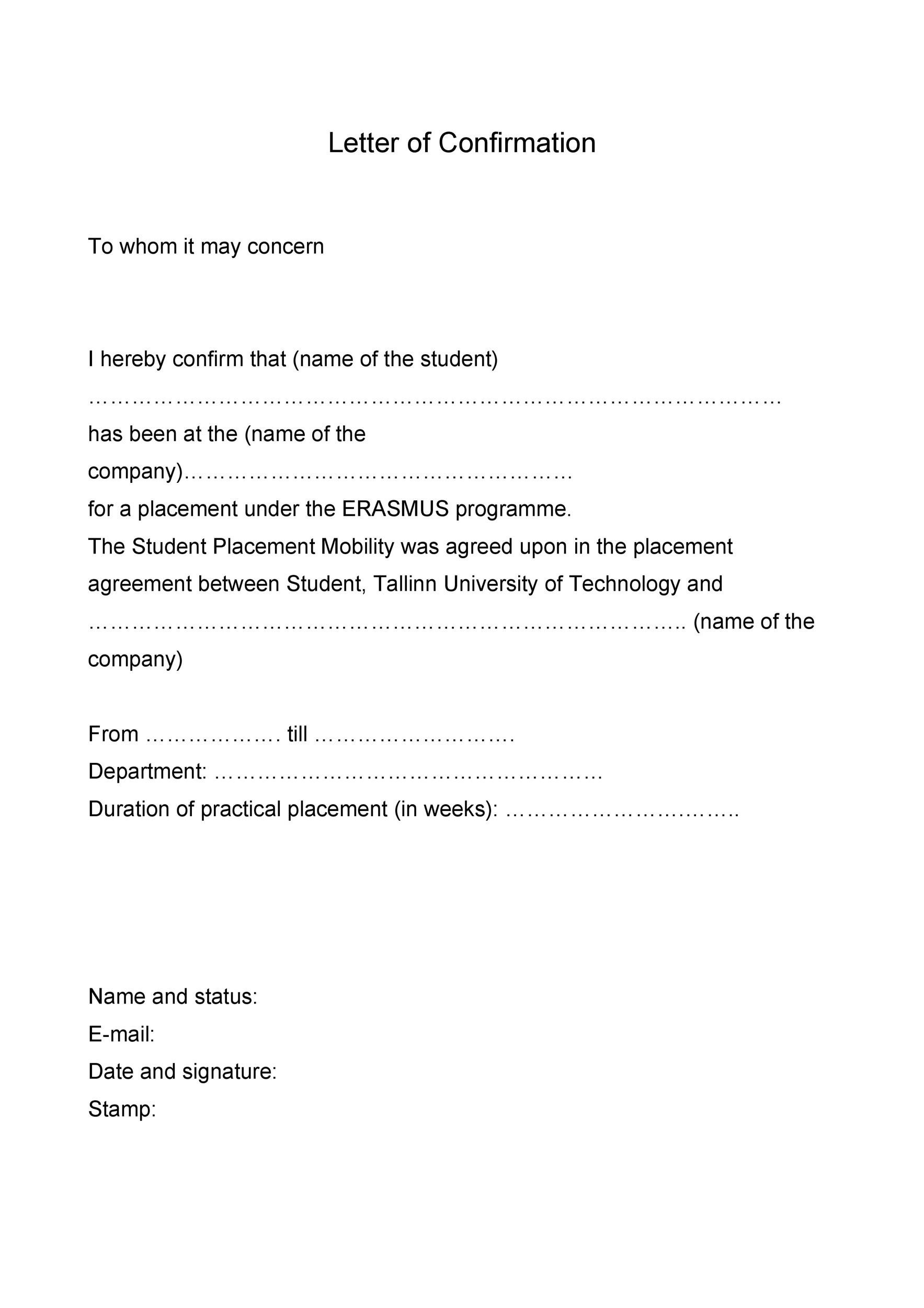
50 To Whom It May Concern Letter & Email Templates ᐅ TemplateLab
We use whom to refer to people in formal styles or in writing, when the person is the object of the verb. We don’t use it very often and we use it more. Below we share three tricks for how to. But in more formal contexts and to be grammatically correct, that first who should be whom. Who is the.
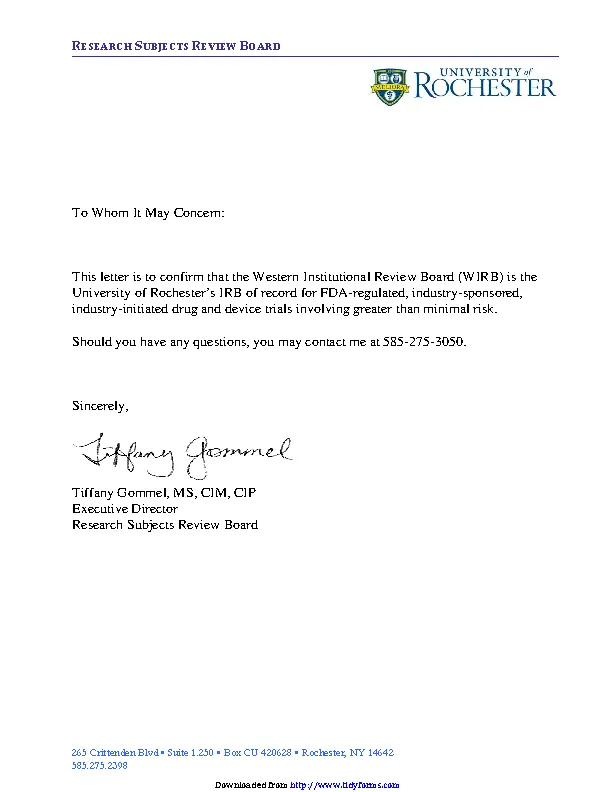
To Whom It May Concern Letter Format Word Templates Printable 2024
Below we share three tricks for how to. But in more formal contexts and to be grammatically correct, that first who should be whom. We don’t use it very often and we use it more. Who is the subject of a sentence or clause (who is performing the action), whereas. Who refers to someone performing the action of a verb.
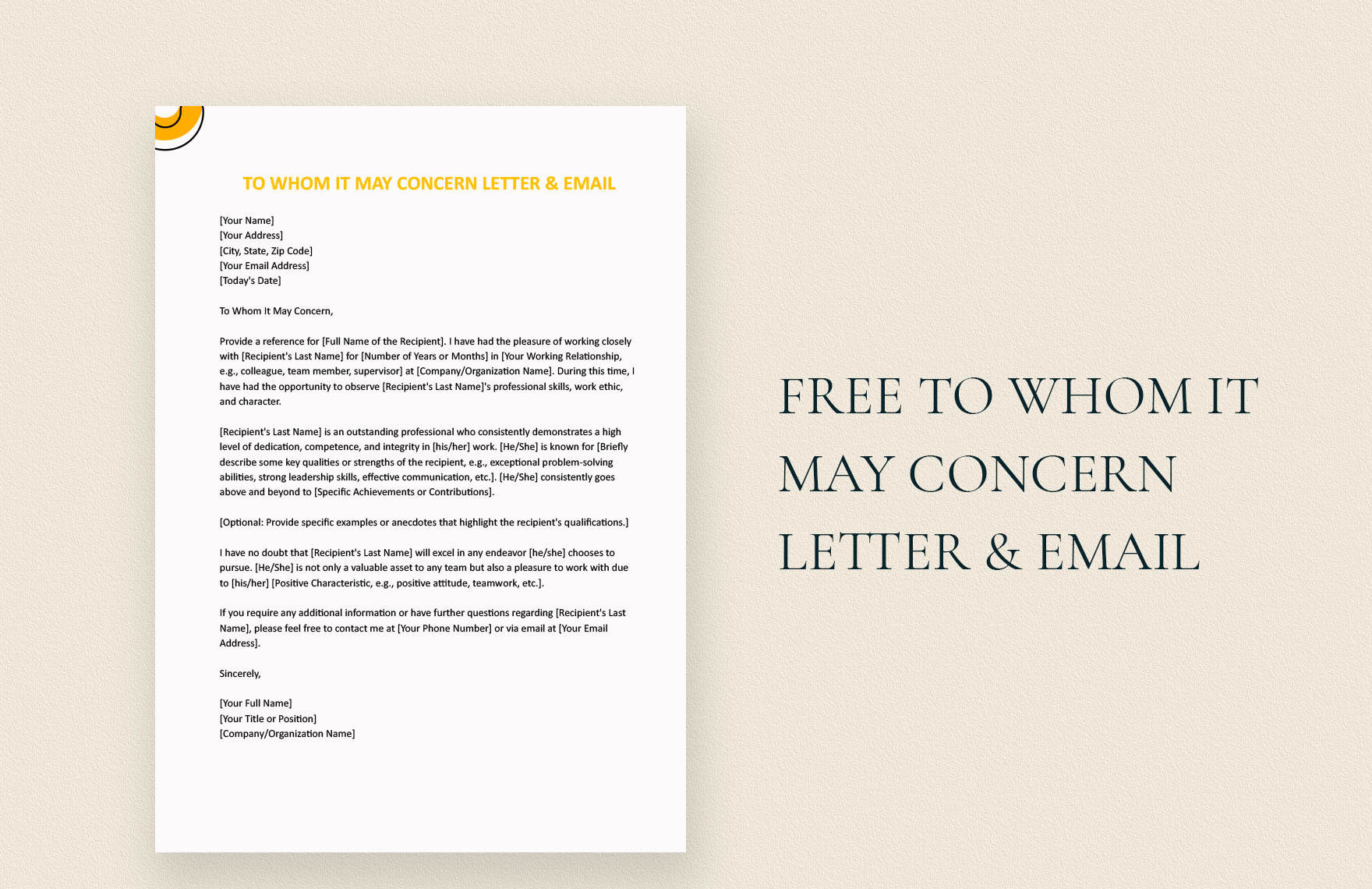
14+ FREE To Whom It May Concern Letter Samples & Templates
We use whom to refer to people in formal styles or in writing, when the person is the object of the verb. What’s the difference between who and whom? Who refers to someone performing the action of a verb (e.g. But in more formal contexts and to be grammatically correct, that first who should be whom. Use this they/them method.
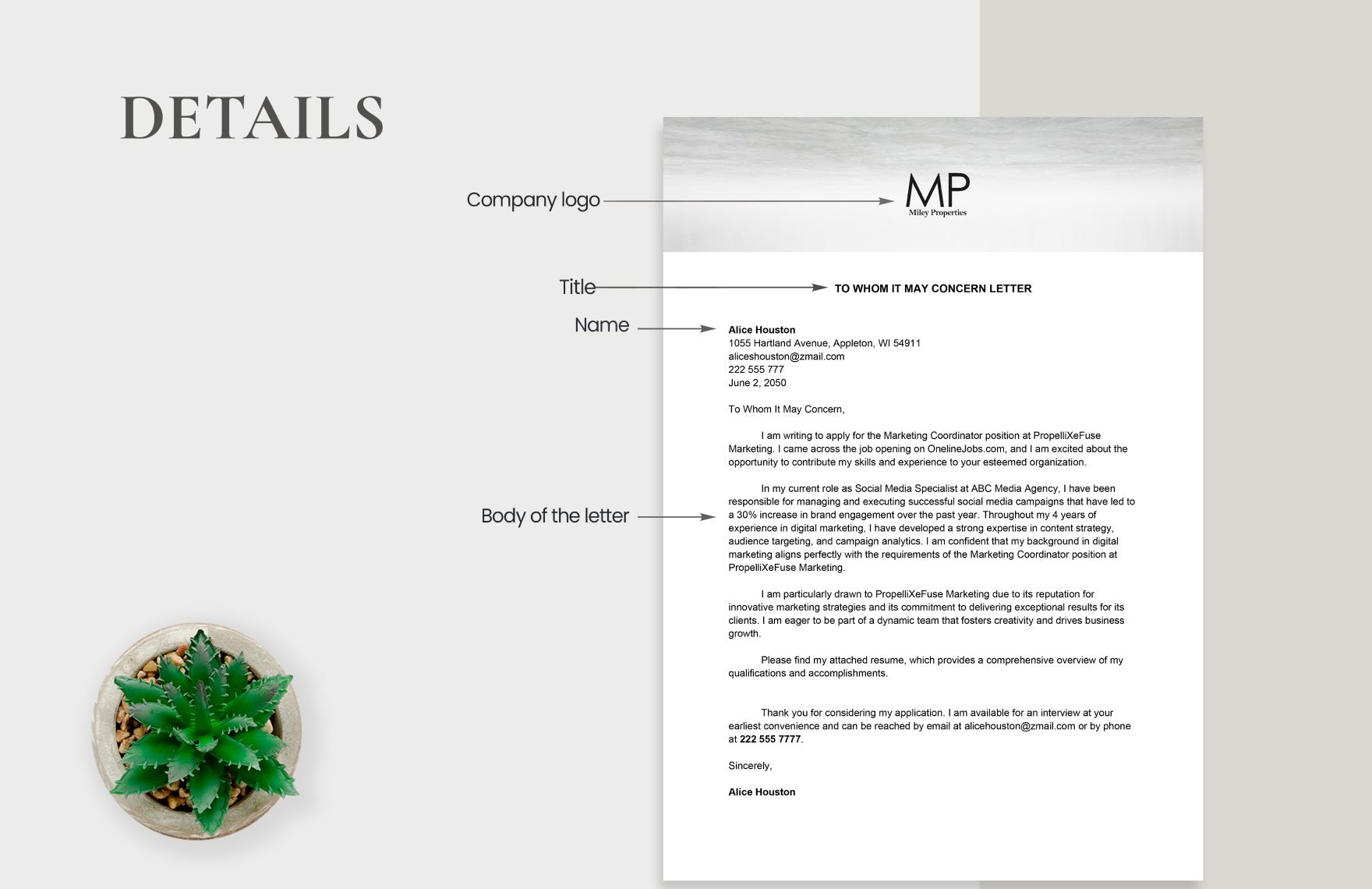
To Whom It May Concern Letter Template eroppa
Who refers to someone performing the action of a verb (e.g. But in more formal contexts and to be grammatically correct, that first who should be whom. We use whom to refer to people in formal styles or in writing, when the person is the object of the verb. Below we share three tricks for how to. What’s the difference.
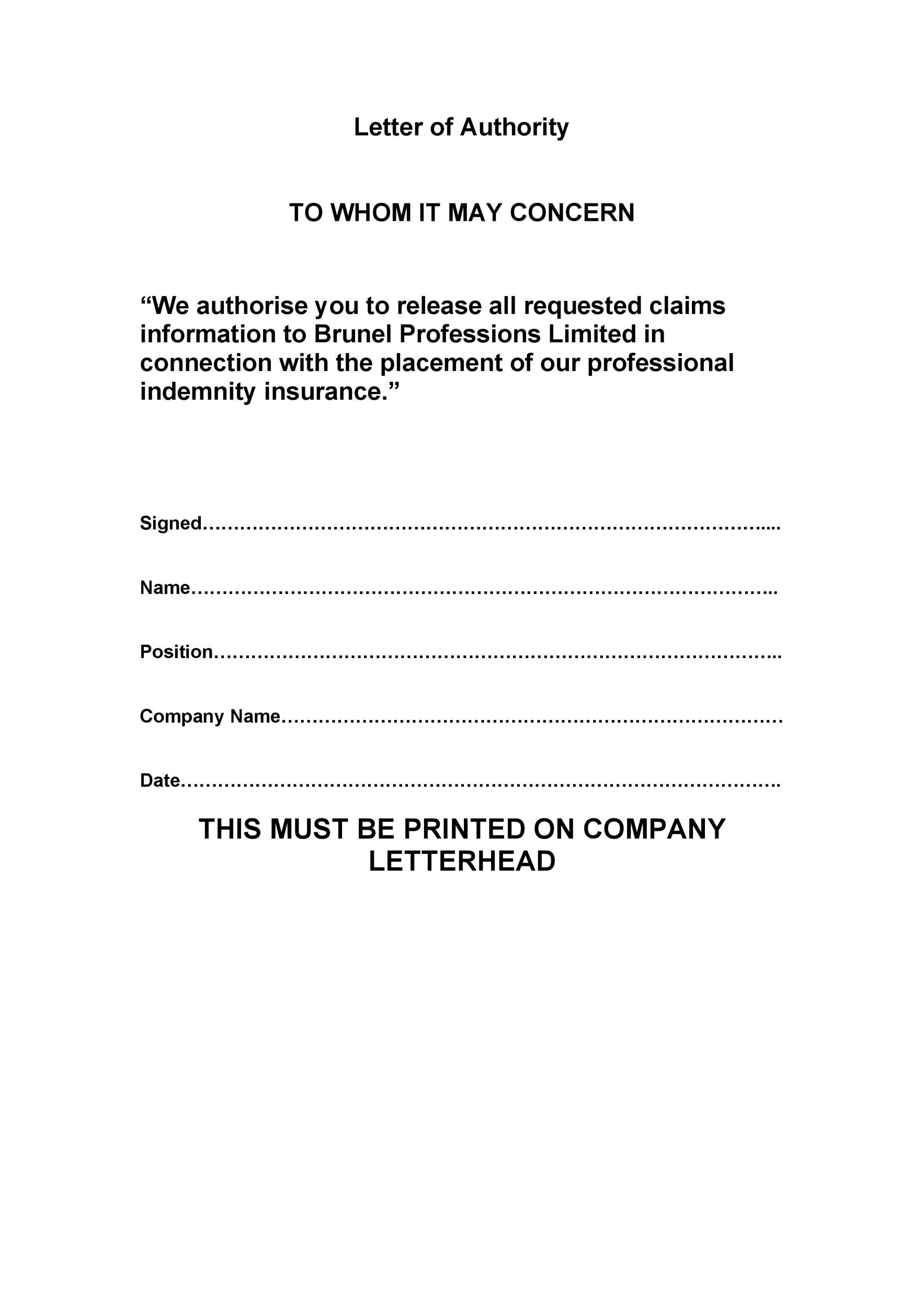
To Whom It May Concern Letter Employment Verification Templates
They are the ones who sent me the gift), and whom refers to someone receiving the action. Use this they/them method to decide whether who or whom is correct. But in more formal contexts and to be grammatically correct, that first who should be whom. We use whom to refer to people in formal styles or in writing, when the.
But In More Formal Contexts And To Be Grammatically Correct, That First Who Should Be Whom.
Use this they/them method to decide whether who or whom is correct. We use whom to refer to people in formal styles or in writing, when the person is the object of the verb. Who refers to someone performing the action of a verb (e.g. They are the ones who sent me the gift), and whom refers to someone receiving the action.
What’s The Difference Between Who And Whom?
Below we share three tricks for how to. We don’t use it very often and we use it more. Who is the subject of a sentence or clause (who is performing the action), whereas.