What Does The N Word Mean In Korean - He/she/it form of do 3. Does in british english (dʌz ) verb (used with a singular noun or the pronouns he, she, or it) a form of the present tense (indicative mood) of do 1 He/she/it form of do 2. See examples of does used in a sentence. Both do and does are present tense forms of the verb do. Which is the correct form to use depends on the subject of your sentence. Present simple of do, used with he/she/it.
Both do and does are present tense forms of the verb do. He/she/it form of do 3. See examples of does used in a sentence. Does in british english (dʌz ) verb (used with a singular noun or the pronouns he, she, or it) a form of the present tense (indicative mood) of do 1 Present simple of do, used with he/she/it. Which is the correct form to use depends on the subject of your sentence. He/she/it form of do 2.
Does in british english (dʌz ) verb (used with a singular noun or the pronouns he, she, or it) a form of the present tense (indicative mood) of do 1 Present simple of do, used with he/she/it. Which is the correct form to use depends on the subject of your sentence. See examples of does used in a sentence. Both do and does are present tense forms of the verb do. He/she/it form of do 2. He/she/it form of do 3.
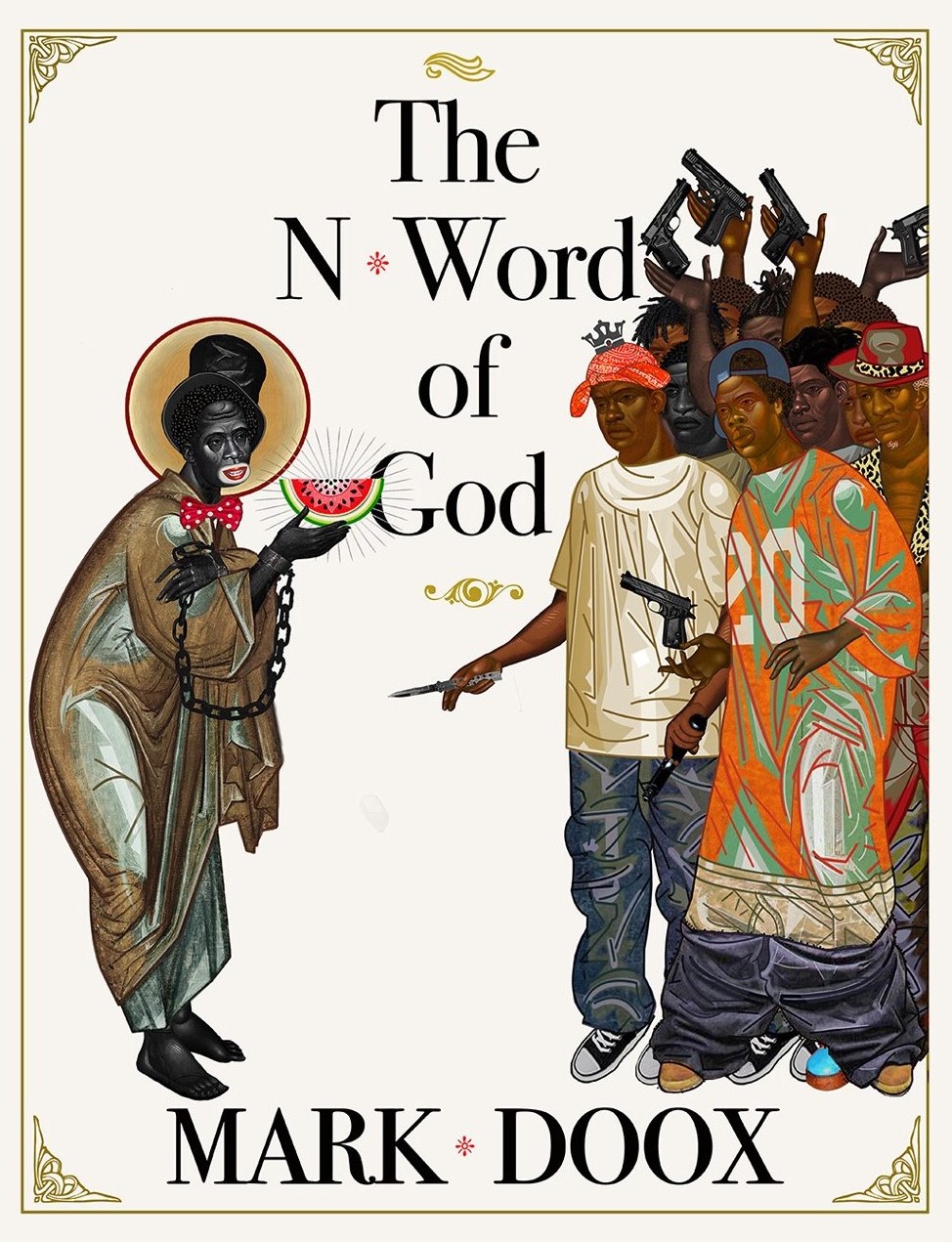
The NWord of God by Mark Doox Goodreads
See examples of does used in a sentence. Does in british english (dʌz ) verb (used with a singular noun or the pronouns he, she, or it) a form of the present tense (indicative mood) of do 1 Both do and does are present tense forms of the verb do. Which is the correct form to use depends on the.
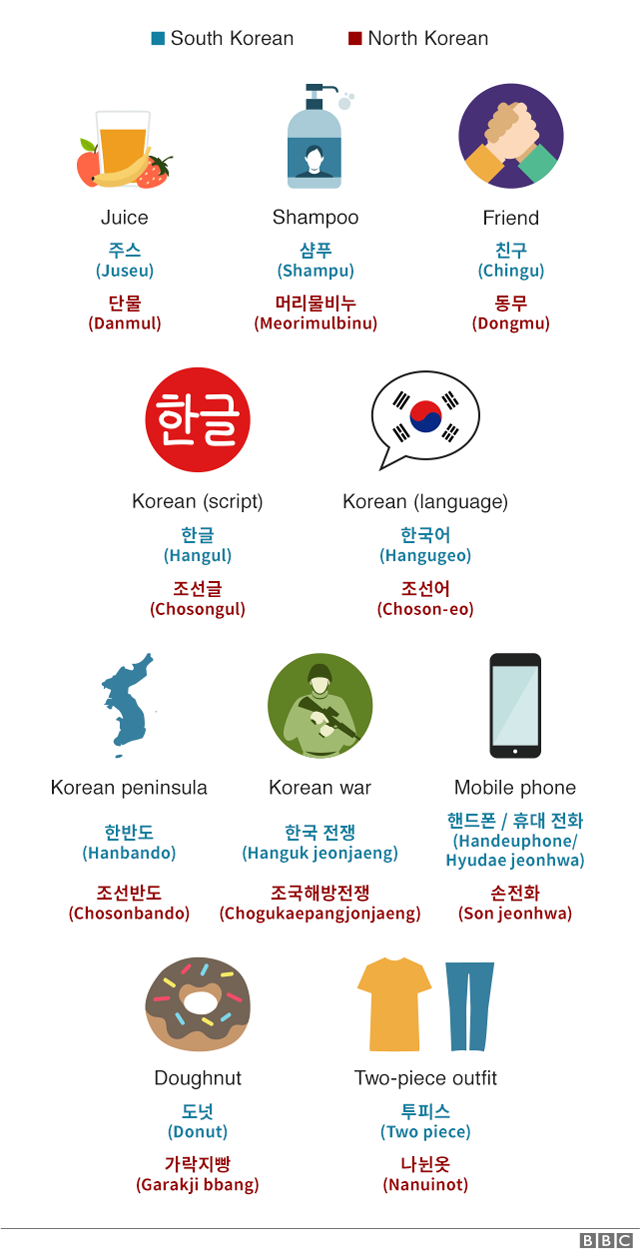
Crossing Divides Two Koreas divided by a fractured language BBC News
He/she/it form of do 2. Which is the correct form to use depends on the subject of your sentence. Both do and does are present tense forms of the verb do. Does in british english (dʌz ) verb (used with a singular noun or the pronouns he, she, or it) a form of the present tense (indicative mood) of do.

The N Word YouTube
He/she/it form of do 3. Present simple of do, used with he/she/it. Both do and does are present tense forms of the verb do. Does in british english (dʌz ) verb (used with a singular noun or the pronouns he, she, or it) a form of the present tense (indicative mood) of do 1 Which is the correct form to.

Learning Korean Korean words, Easy korean words, Korean language
He/she/it form of do 2. Which is the correct form to use depends on the subject of your sentence. He/she/it form of do 3. Present simple of do, used with he/she/it. Does in british english (dʌz ) verb (used with a singular noun or the pronouns he, she, or it) a form of the present tense (indicative mood) of do.
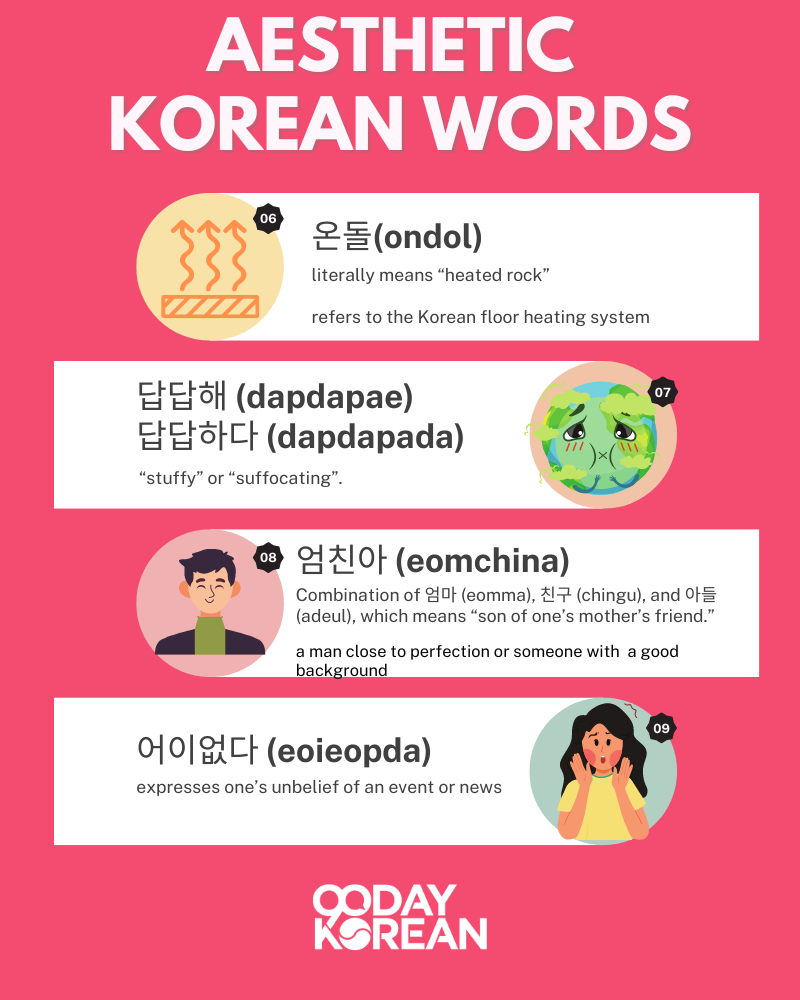
Yoona Meaning Korean Korean Celebrities Who Were Born On The Exact Same
Both do and does are present tense forms of the verb do. Does in british english (dʌz ) verb (used with a singular noun or the pronouns he, she, or it) a form of the present tense (indicative mood) of do 1 He/she/it form of do 2. Present simple of do, used with he/she/it. Which is the correct form to.

How the nword became the ‘atomic bomb of racial slurs’ PBS News
He/she/it form of do 2. See examples of does used in a sentence. Both do and does are present tense forms of the verb do. He/she/it form of do 3. Which is the correct form to use depends on the subject of your sentence.

What does the n word mean in korean ? Namhan South Korea
Present simple of do, used with he/she/it. See examples of does used in a sentence. He/she/it form of do 2. Does in british english (dʌz ) verb (used with a singular noun or the pronouns he, she, or it) a form of the present tense (indicative mood) of do 1 He/she/it form of do 3.

The Nword is a linguistic construct rooted in hatred. ThyBlackMan
He/she/it form of do 2. Which is the correct form to use depends on the subject of your sentence. Present simple of do, used with he/she/it. See examples of does used in a sentence. Both do and does are present tense forms of the verb do.

Korean Alphabet (Hanguel) 한국어 알파벳, 한국어, 교육
Present simple of do, used with he/she/it. He/she/it form of do 3. He/she/it form of do 2. See examples of does used in a sentence. Does in british english (dʌz ) verb (used with a singular noun or the pronouns he, she, or it) a form of the present tense (indicative mood) of do 1

Learn Korean with J
He/she/it form of do 2. Does in british english (dʌz ) verb (used with a singular noun or the pronouns he, she, or it) a form of the present tense (indicative mood) of do 1 Present simple of do, used with he/she/it. See examples of does used in a sentence. Both do and does are present tense forms of the.
Present Simple Of Do, Used With He/She/It.
Which is the correct form to use depends on the subject of your sentence. He/she/it form of do 3. He/she/it form of do 2. See examples of does used in a sentence.
Does In British English (Dʌz ) Verb (Used With A Singular Noun Or The Pronouns He, She, Or It) A Form Of The Present Tense (Indicative Mood) Of Do 1
Both do and does are present tense forms of the verb do.