What Does The Word Consequences Mean - Present simple of do, used with he/she/it. Both do and does are present tense forms of the verb do. He/she/it form of do 2. He/she/it form of do 3. Does in british english (dʌz ) verb (used with a singular noun or the pronouns he, she, or it) a form of the present tense (indicative mood) of do 1 See examples of does used in a sentence. Which is the correct form to use depends on the subject of your sentence.
He/she/it form of do 2. Present simple of do, used with he/she/it. Which is the correct form to use depends on the subject of your sentence. Both do and does are present tense forms of the verb do. See examples of does used in a sentence. He/she/it form of do 3. Does in british english (dʌz ) verb (used with a singular noun or the pronouns he, she, or it) a form of the present tense (indicative mood) of do 1
He/she/it form of do 3. Both do and does are present tense forms of the verb do. Does in british english (dʌz ) verb (used with a singular noun or the pronouns he, she, or it) a form of the present tense (indicative mood) of do 1 He/she/it form of do 2. Present simple of do, used with he/she/it. See examples of does used in a sentence. Which is the correct form to use depends on the subject of your sentence.

What is the meaning of the word CONSEQUENCE? YouTube
He/she/it form of do 2. Both do and does are present tense forms of the verb do. See examples of does used in a sentence. Present simple of do, used with he/she/it. Does in british english (dʌz ) verb (used with a singular noun or the pronouns he, she, or it) a form of the present tense (indicative mood) of.

Consequence Definition of consequence YouTube
Present simple of do, used with he/she/it. See examples of does used in a sentence. Both do and does are present tense forms of the verb do. Does in british english (dʌz ) verb (used with a singular noun or the pronouns he, she, or it) a form of the present tense (indicative mood) of do 1 Which is the.
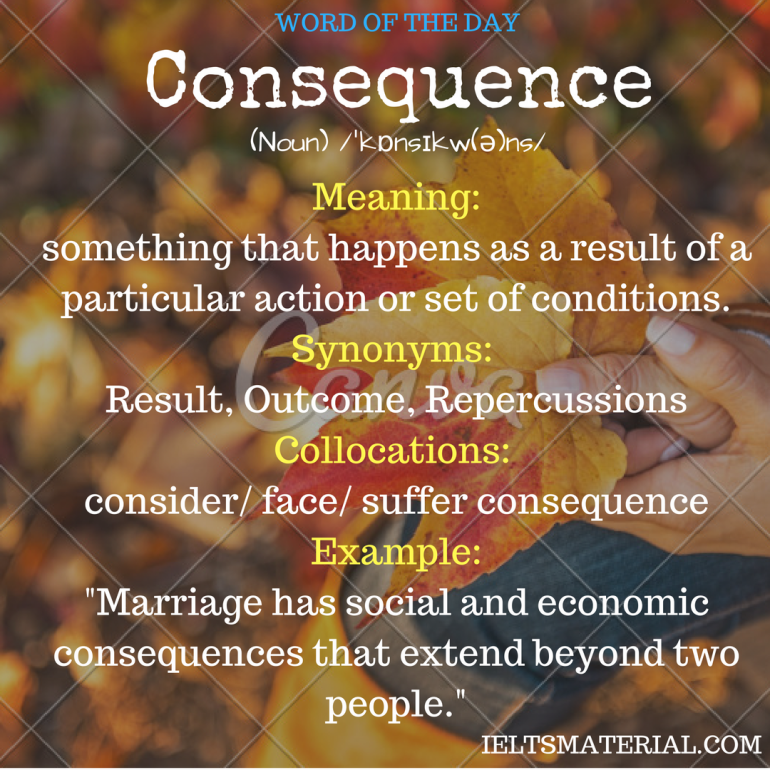
Consequence Examples at Clara Moran blog
Both do and does are present tense forms of the verb do. See examples of does used in a sentence. He/she/it form of do 2. Which is the correct form to use depends on the subject of your sentence. He/she/it form of do 3.

Consequences Meaning
He/she/it form of do 3. Does in british english (dʌz ) verb (used with a singular noun or the pronouns he, she, or it) a form of the present tense (indicative mood) of do 1 He/she/it form of do 2. Which is the correct form to use depends on the subject of your sentence. Both do and does are present.
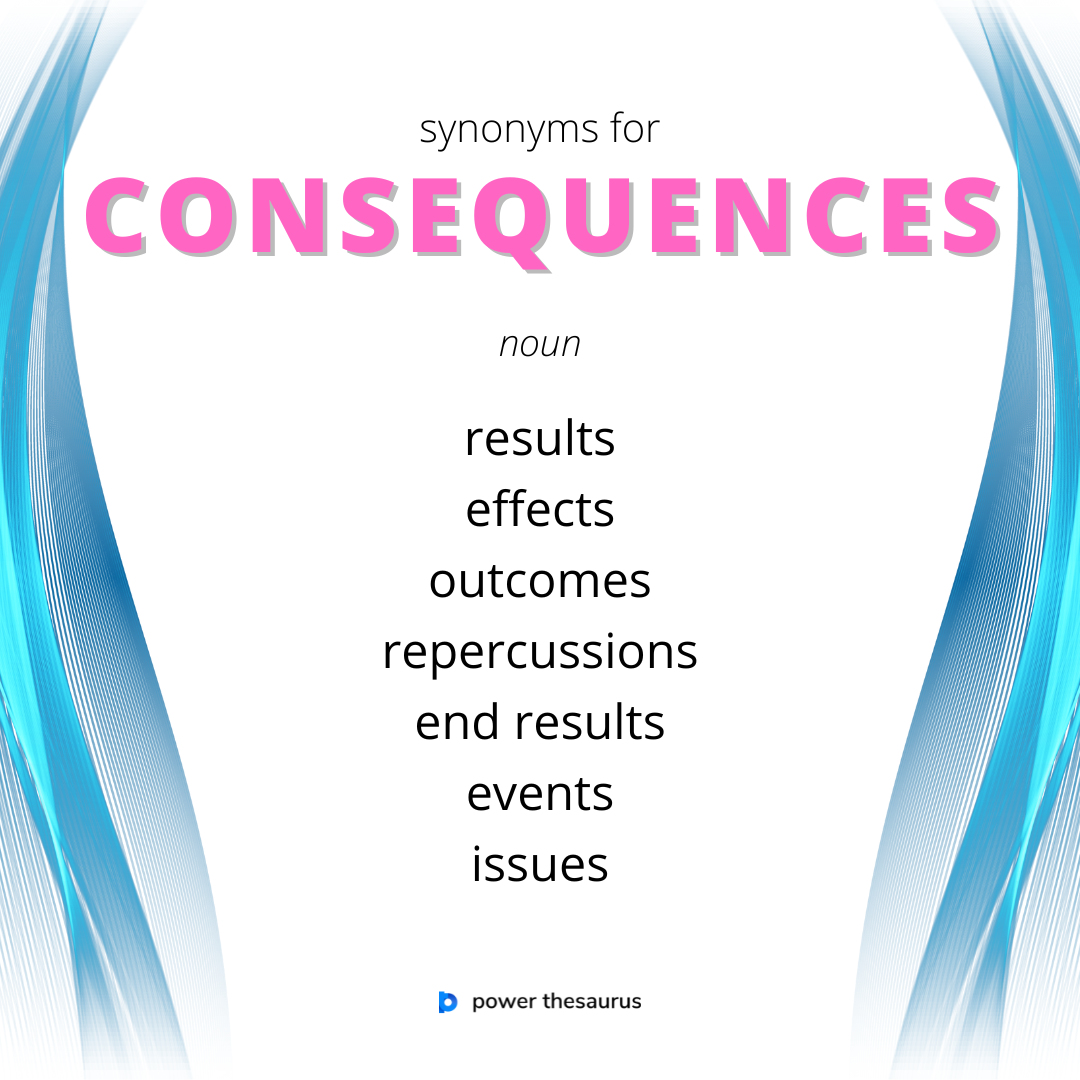
АНГЛИ ХЭЛЭЭ СЭРГЭЭЦГЭЭЕ on Twitter "RT PowerThesaurus http//thsr.us
Which is the correct form to use depends on the subject of your sentence. He/she/it form of do 2. Both do and does are present tense forms of the verb do. He/she/it form of do 3. Does in british english (dʌz ) verb (used with a singular noun or the pronouns he, she, or it) a form of the present.

Consequence Examples at Clara Moran blog
Which is the correct form to use depends on the subject of your sentence. He/she/it form of do 2. He/she/it form of do 3. Both do and does are present tense forms of the verb do. Does in british english (dʌz ) verb (used with a singular noun or the pronouns he, she, or it) a form of the present.

What Does Consequences Mean In Government at Sandra Karcher blog
He/she/it form of do 2. Which is the correct form to use depends on the subject of your sentence. Both do and does are present tense forms of the verb do. Present simple of do, used with he/she/it. He/she/it form of do 3.
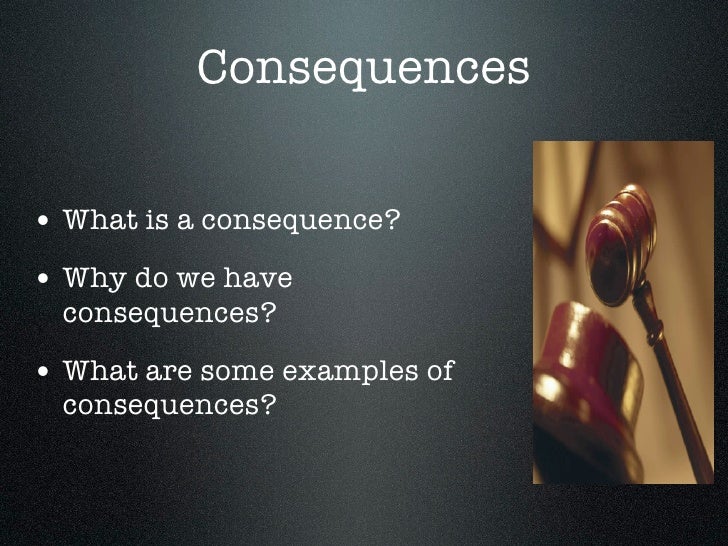
What Does Consequences Mean In Government at Sandra Karcher blog
See examples of does used in a sentence. Both do and does are present tense forms of the verb do. He/she/it form of do 2. He/she/it form of do 3. Which is the correct form to use depends on the subject of your sentence.

STEPS TO WORK ppt download
Present simple of do, used with he/she/it. Which is the correct form to use depends on the subject of your sentence. See examples of does used in a sentence. He/she/it form of do 2. Does in british english (dʌz ) verb (used with a singular noun or the pronouns he, she, or it) a form of the present tense (indicative.
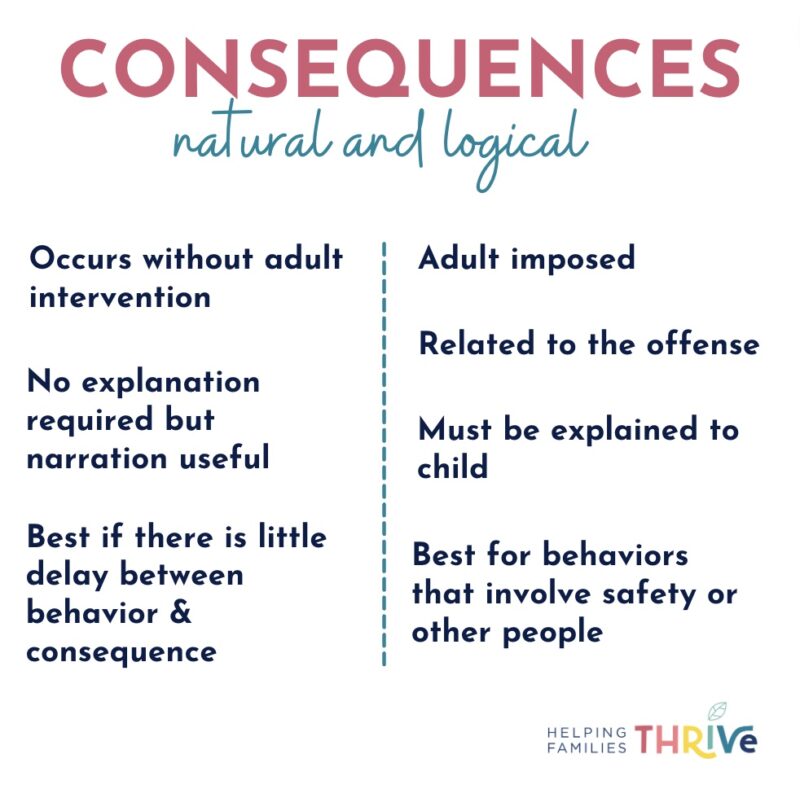
Natural and Logical Consequences Helping Families Thrive
Does in british english (dʌz ) verb (used with a singular noun or the pronouns he, she, or it) a form of the present tense (indicative mood) of do 1 He/she/it form of do 3. See examples of does used in a sentence. Present simple of do, used with he/she/it. He/she/it form of do 2.
He/She/It Form Of Do 2.
Does in british english (dʌz ) verb (used with a singular noun or the pronouns he, she, or it) a form of the present tense (indicative mood) of do 1 Present simple of do, used with he/she/it. Both do and does are present tense forms of the verb do. Which is the correct form to use depends on the subject of your sentence.
He/She/It Form Of Do 3.
See examples of does used in a sentence.