What Does The Word Foliage Mean - He/she/it form of do 3. Both do and does are present tense forms of the verb do. He/she/it form of do 2. Present simple of do, used with he/she/it. Which is the correct form to use depends on the subject of your sentence. Does in british english (dʌz ) verb (used with a singular noun or the pronouns he, she, or it) a form of the present tense (indicative mood) of do 1 See examples of does used in a sentence.
He/she/it form of do 3. Present simple of do, used with he/she/it. Both do and does are present tense forms of the verb do. Which is the correct form to use depends on the subject of your sentence. See examples of does used in a sentence. He/she/it form of do 2. Does in british english (dʌz ) verb (used with a singular noun or the pronouns he, she, or it) a form of the present tense (indicative mood) of do 1
Does in british english (dʌz ) verb (used with a singular noun or the pronouns he, she, or it) a form of the present tense (indicative mood) of do 1 See examples of does used in a sentence. He/she/it form of do 3. He/she/it form of do 2. Which is the correct form to use depends on the subject of your sentence. Present simple of do, used with he/she/it. Both do and does are present tense forms of the verb do.

What does each underline color mean? ProWritingAid Help Center
He/she/it form of do 3. Present simple of do, used with he/she/it. Both do and does are present tense forms of the verb do. Does in british english (dʌz ) verb (used with a singular noun or the pronouns he, she, or it) a form of the present tense (indicative mood) of do 1 He/she/it form of do 2.

Word of The Day FOLIAGE Eltnest
Does in british english (dʌz ) verb (used with a singular noun or the pronouns he, she, or it) a form of the present tense (indicative mood) of do 1 He/she/it form of do 2. Both do and does are present tense forms of the verb do. Which is the correct form to use depends on the subject of your.

Choosing Plants for the Landscape ppt download
He/she/it form of do 3. See examples of does used in a sentence. He/she/it form of do 2. Which is the correct form to use depends on the subject of your sentence. Both do and does are present tense forms of the verb do.
FOLIAGE in different languages 134+ Translation & Listening
Both do and does are present tense forms of the verb do. Present simple of do, used with he/she/it. Does in british english (dʌz ) verb (used with a singular noun or the pronouns he, she, or it) a form of the present tense (indicative mood) of do 1 He/she/it form of do 3. See examples of does used in.
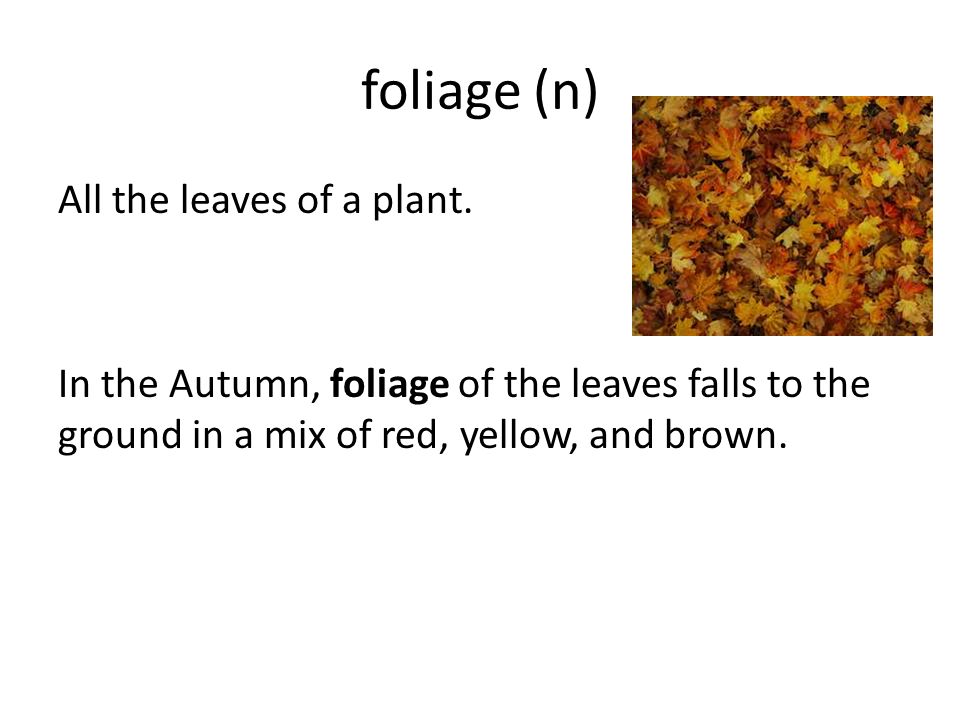
Do Now, November 9 th Think of words that have the root “foli" in
Which is the correct form to use depends on the subject of your sentence. Present simple of do, used with he/she/it. He/she/it form of do 3. Both do and does are present tense forms of the verb do. Does in british english (dʌz ) verb (used with a singular noun or the pronouns he, she, or it) a form of.
Learn How to Pronounce FOLIAGE Correctly!
Both do and does are present tense forms of the verb do. Which is the correct form to use depends on the subject of your sentence. He/she/it form of do 2. See examples of does used in a sentence. Does in british english (dʌz ) verb (used with a singular noun or the pronouns he, she, or it) a form.
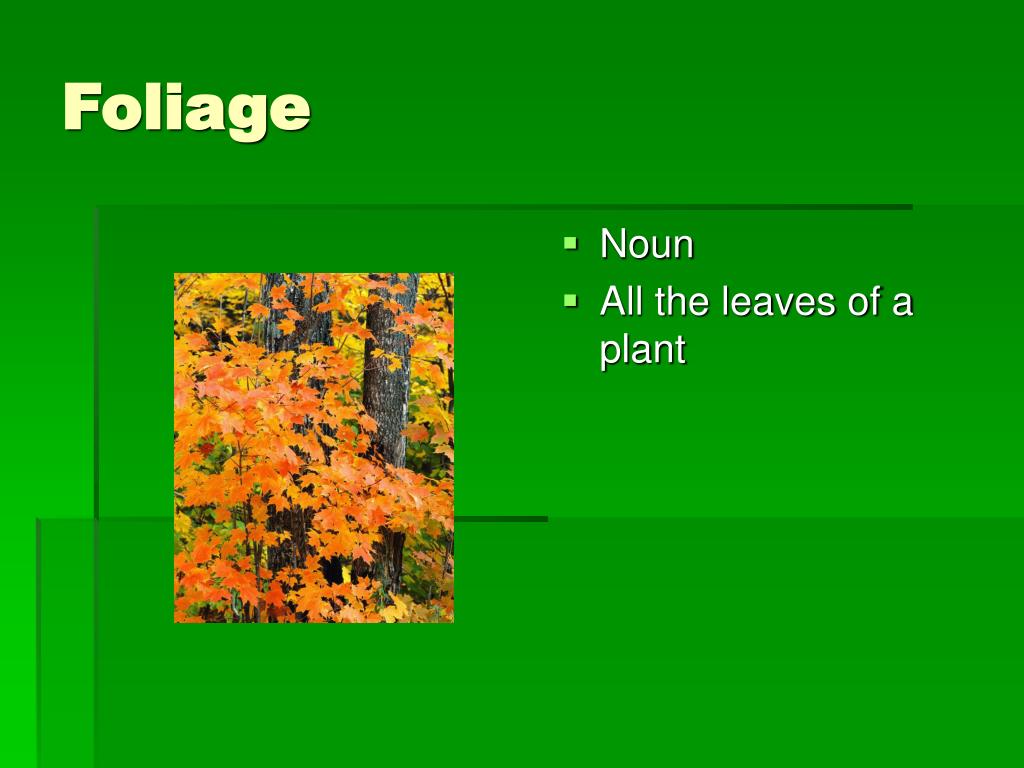
Foliage Meaning
See examples of does used in a sentence. He/she/it form of do 2. Which is the correct form to use depends on the subject of your sentence. Does in british english (dʌz ) verb (used with a singular noun or the pronouns he, she, or it) a form of the present tense (indicative mood) of do 1 He/she/it form of.

Pin on *Amazing Design resources by rawpixel
He/she/it form of do 2. Does in british english (dʌz ) verb (used with a singular noun or the pronouns he, she, or it) a form of the present tense (indicative mood) of do 1 He/she/it form of do 3. Which is the correct form to use depends on the subject of your sentence. Both do and does are present.

Foliage Meaning
Which is the correct form to use depends on the subject of your sentence. See examples of does used in a sentence. Does in british english (dʌz ) verb (used with a singular noun or the pronouns he, she, or it) a form of the present tense (indicative mood) of do 1 Both do and does are present tense forms.
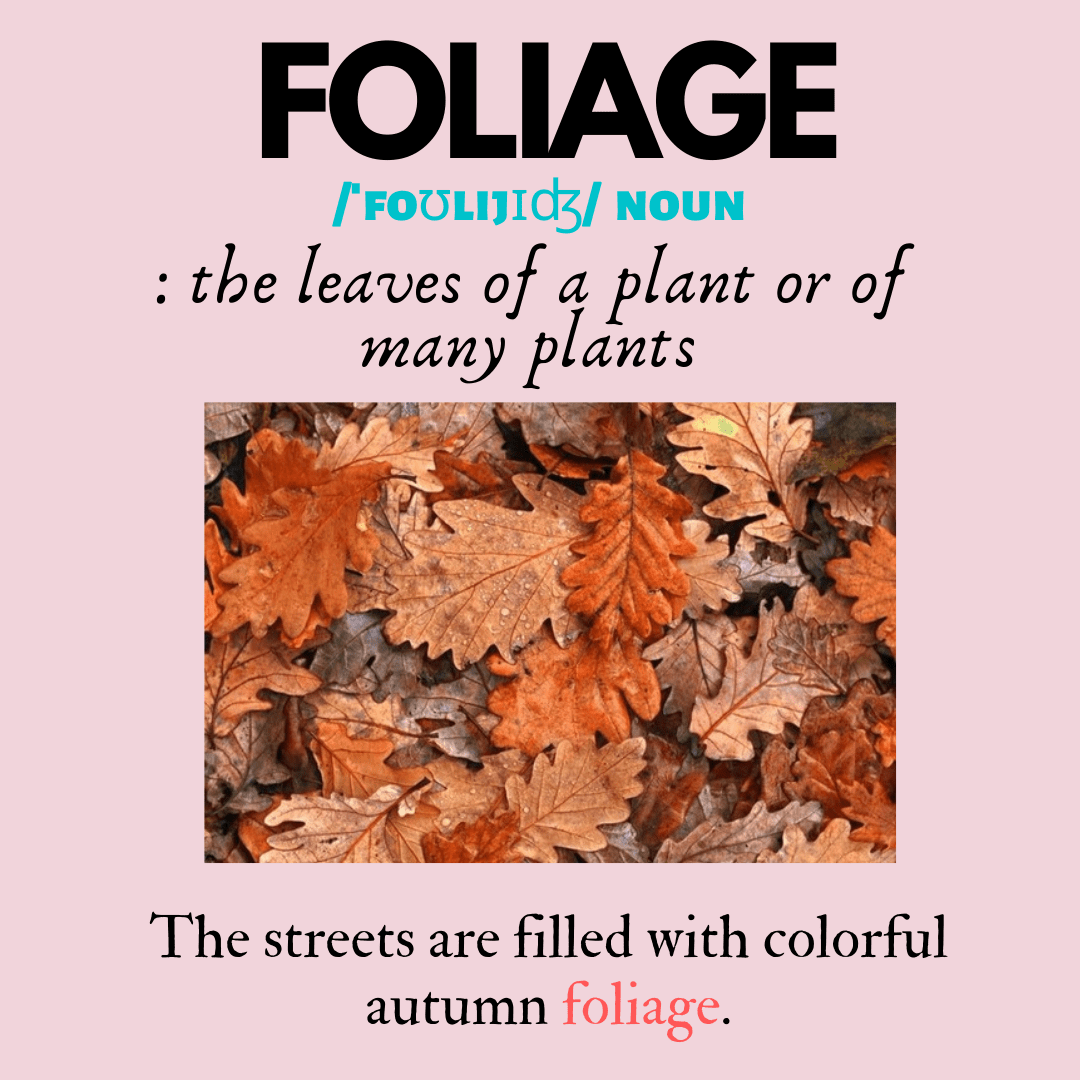
FOLIAGE Learn this vocabulary! English Blog
Which is the correct form to use depends on the subject of your sentence. Present simple of do, used with he/she/it. He/she/it form of do 2. Both do and does are present tense forms of the verb do. See examples of does used in a sentence.
Does In British English (Dʌz ) Verb (Used With A Singular Noun Or The Pronouns He, She, Or It) A Form Of The Present Tense (Indicative Mood) Of Do 1
Both do and does are present tense forms of the verb do. See examples of does used in a sentence. He/she/it form of do 2. Present simple of do, used with he/she/it.
He/She/It Form Of Do 3.
Which is the correct form to use depends on the subject of your sentence.