What Does The Word Heredity Mean - Does in british english (dʌz ) verb (used with a singular noun or the pronouns he, she, or it) a form of the present tense (indicative mood) of do 1 Both do and does are present tense forms of the verb do. See examples of does used in a sentence. Present simple of do, used with he/she/it. He/she/it form of do 2. He/she/it form of do 3. Which is the correct form to use depends on the subject of your sentence.
See examples of does used in a sentence. He/she/it form of do 2. He/she/it form of do 3. Which is the correct form to use depends on the subject of your sentence. Present simple of do, used with he/she/it. Both do and does are present tense forms of the verb do. Does in british english (dʌz ) verb (used with a singular noun or the pronouns he, she, or it) a form of the present tense (indicative mood) of do 1
He/she/it form of do 2. Present simple of do, used with he/she/it. Which is the correct form to use depends on the subject of your sentence. Both do and does are present tense forms of the verb do. He/she/it form of do 3. Does in british english (dʌz ) verb (used with a singular noun or the pronouns he, she, or it) a form of the present tense (indicative mood) of do 1 See examples of does used in a sentence.
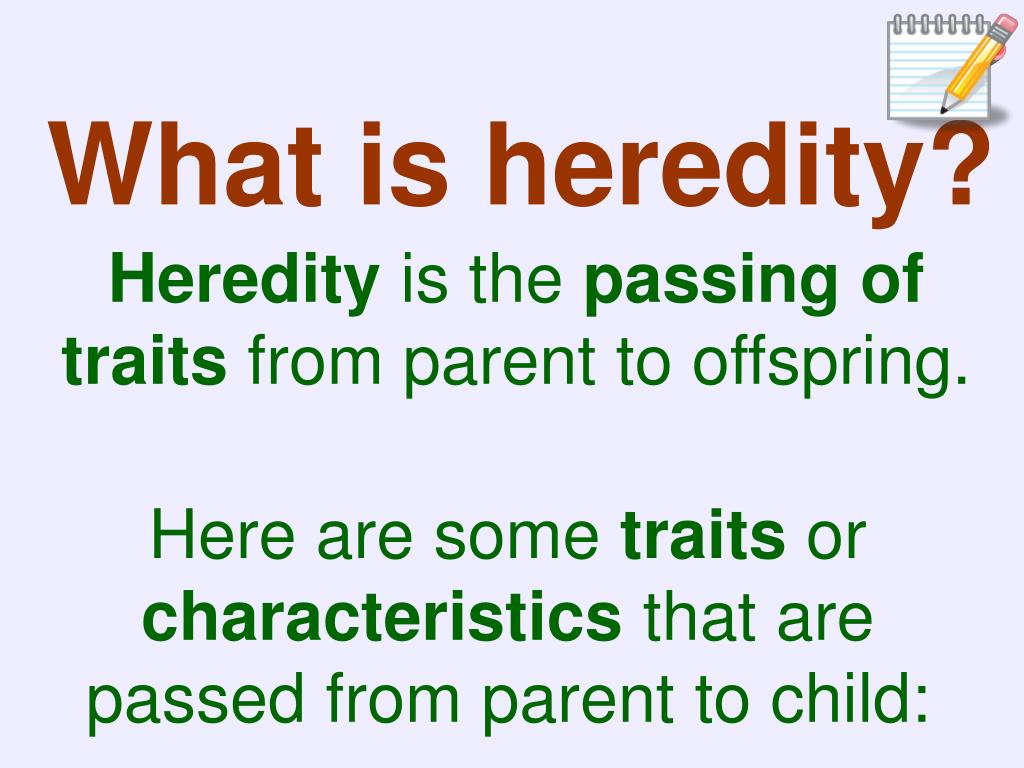
PPT and Heredity Part I Intro and Vocab PowerPoint
Both do and does are present tense forms of the verb do. Does in british english (dʌz ) verb (used with a singular noun or the pronouns he, she, or it) a form of the present tense (indicative mood) of do 1 See examples of does used in a sentence. Present simple of do, used with he/she/it. He/she/it form of.
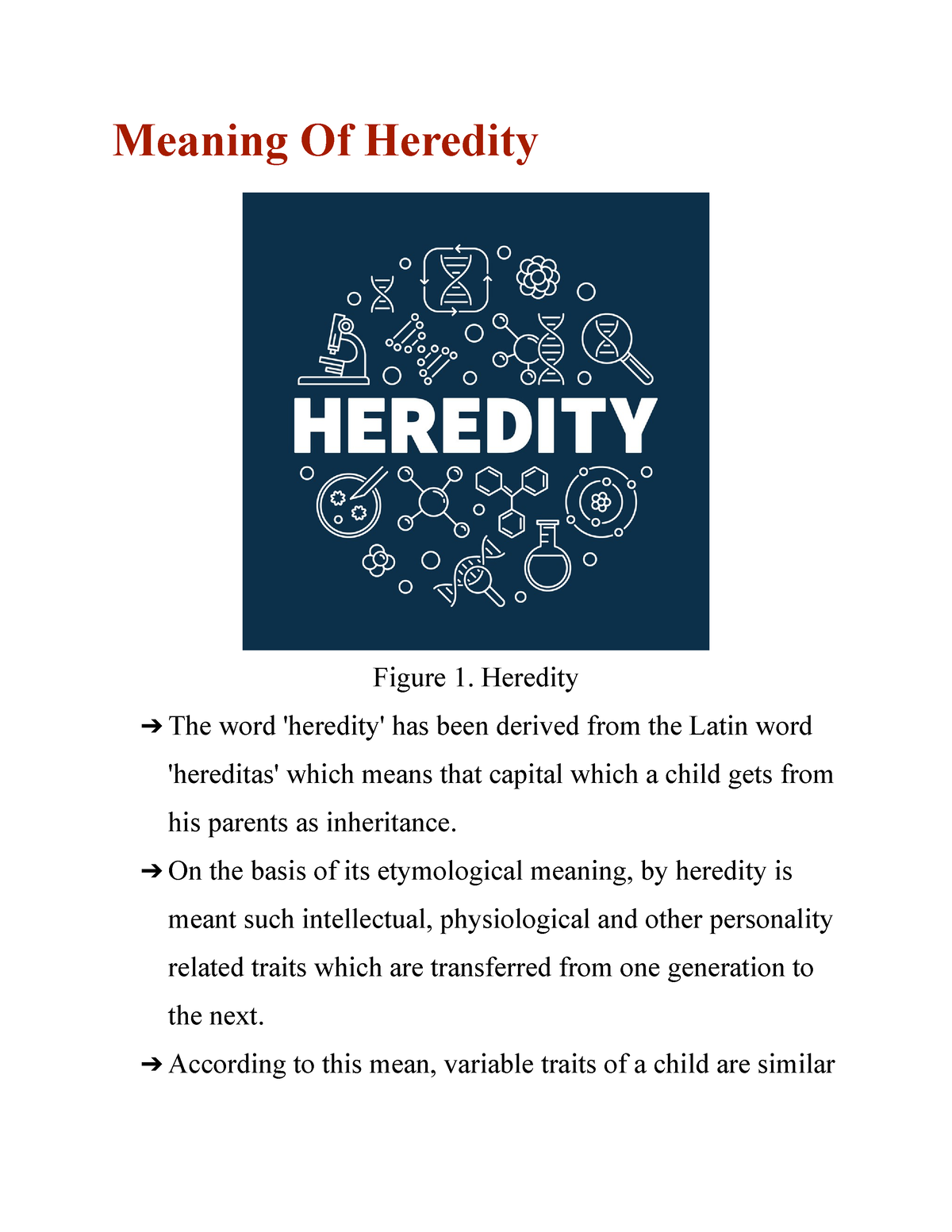
Meaning Of Heredity lecture notes Meaning Of Heredity Figure 1
Does in british english (dʌz ) verb (used with a singular noun or the pronouns he, she, or it) a form of the present tense (indicative mood) of do 1 Both do and does are present tense forms of the verb do. Which is the correct form to use depends on the subject of your sentence. He/she/it form of do.

Heredity Word Cloud On White Background Stock Vector (Royalty Free
Which is the correct form to use depends on the subject of your sentence. Present simple of do, used with he/she/it. Does in british english (dʌz ) verb (used with a singular noun or the pronouns he, she, or it) a form of the present tense (indicative mood) of do 1 He/she/it form of do 3. Both do and does.

Heredity Introduction, Roles, Importance, Facts
Which is the correct form to use depends on the subject of your sentence. Does in british english (dʌz ) verb (used with a singular noun or the pronouns he, she, or it) a form of the present tense (indicative mood) of do 1 He/she/it form of do 3. See examples of does used in a sentence. Both do and.
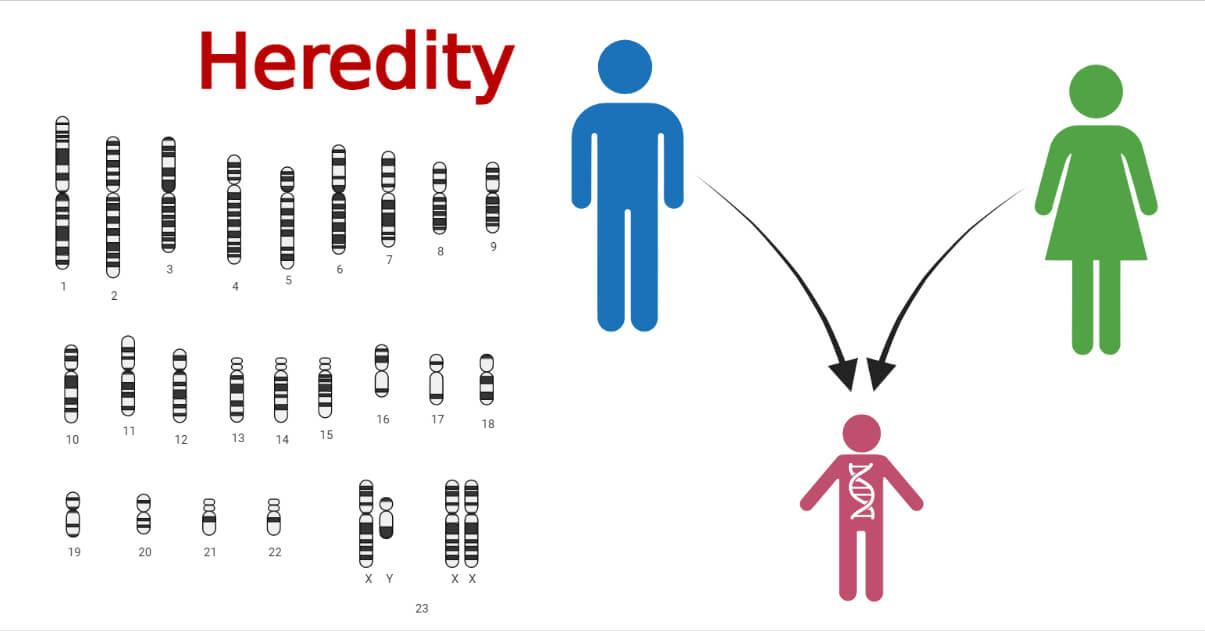
Heredity Definition Psychology
Which is the correct form to use depends on the subject of your sentence. Present simple of do, used with he/she/it. Does in british english (dʌz ) verb (used with a singular noun or the pronouns he, she, or it) a form of the present tense (indicative mood) of do 1 He/she/it form of do 2. Both do and does.
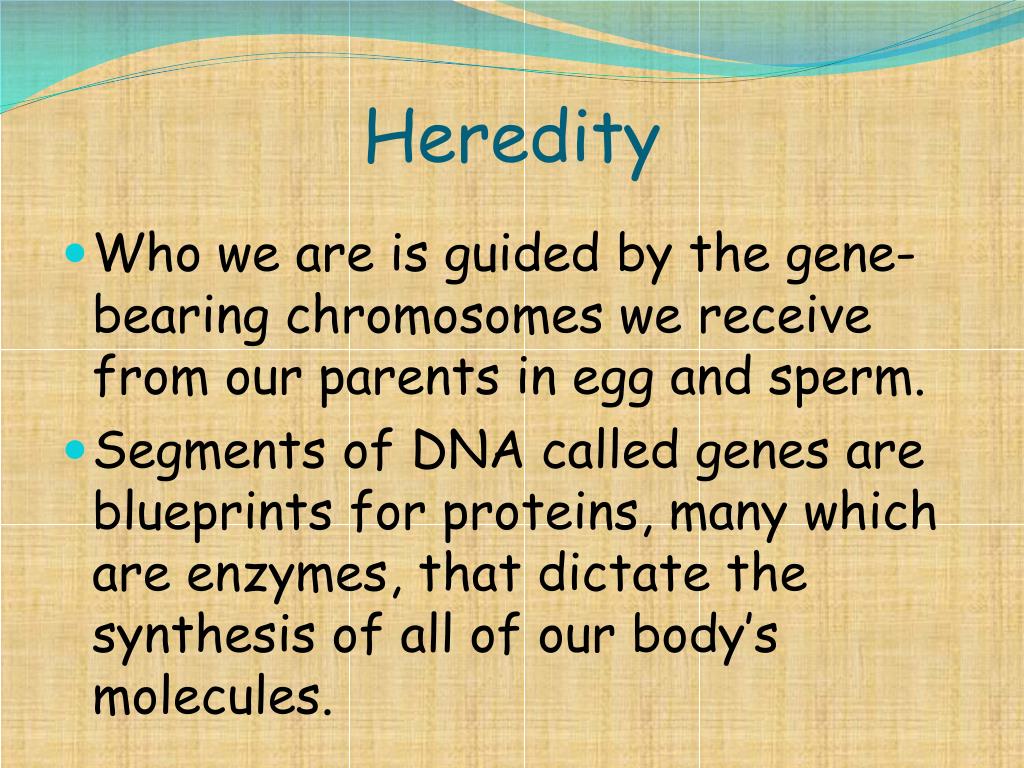
Heredity Meaning
Does in british english (dʌz ) verb (used with a singular noun or the pronouns he, she, or it) a form of the present tense (indicative mood) of do 1 Both do and does are present tense forms of the verb do. He/she/it form of do 3. See examples of does used in a sentence. Which is the correct form.

Heredity Clipart
He/she/it form of do 2. Which is the correct form to use depends on the subject of your sentence. Both do and does are present tense forms of the verb do. See examples of does used in a sentence. He/she/it form of do 3.
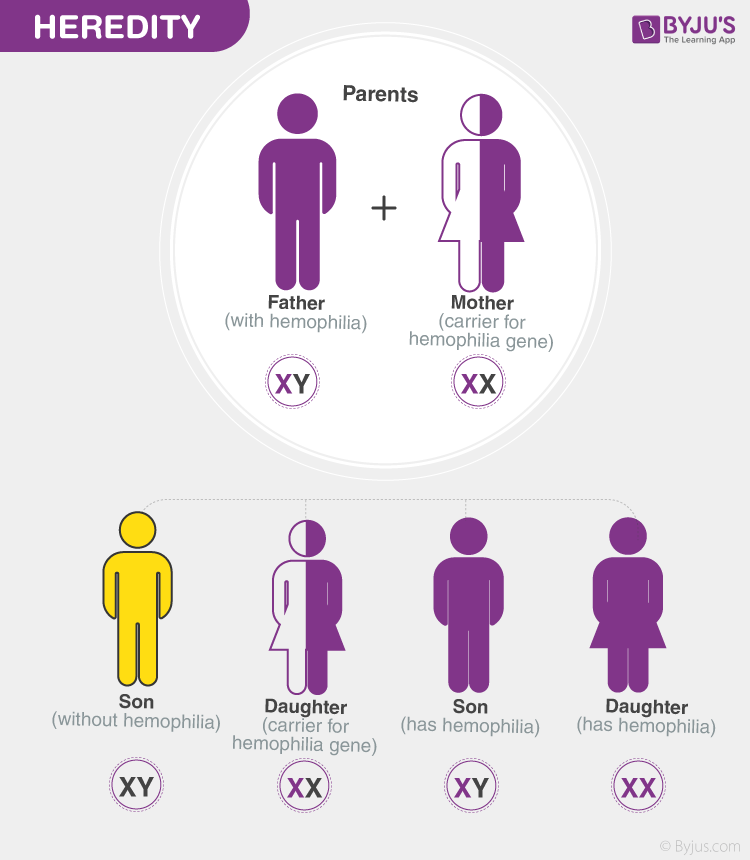
Heredity Information about Heredity, Its Process and Inheritance
He/she/it form of do 2. See examples of does used in a sentence. Both do and does are present tense forms of the verb do. Present simple of do, used with he/she/it. Which is the correct form to use depends on the subject of your sentence.
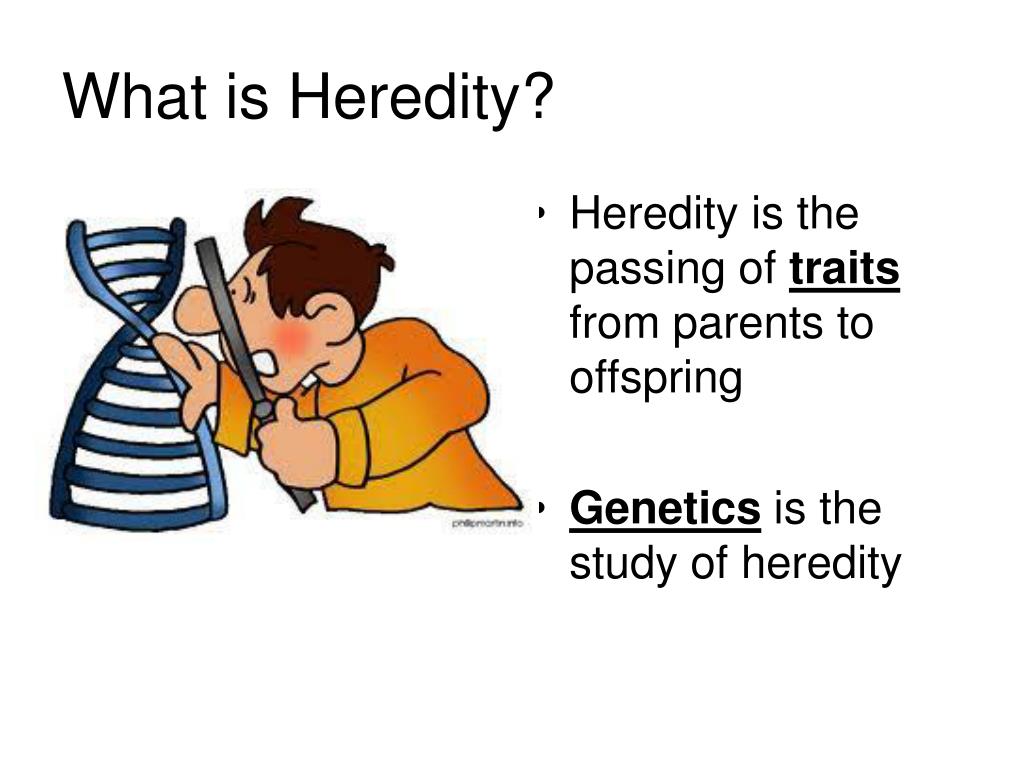
Heredity Examples
Which is the correct form to use depends on the subject of your sentence. Both do and does are present tense forms of the verb do. See examples of does used in a sentence. Does in british english (dʌz ) verb (used with a singular noun or the pronouns he, she, or it) a form of the present tense (indicative.
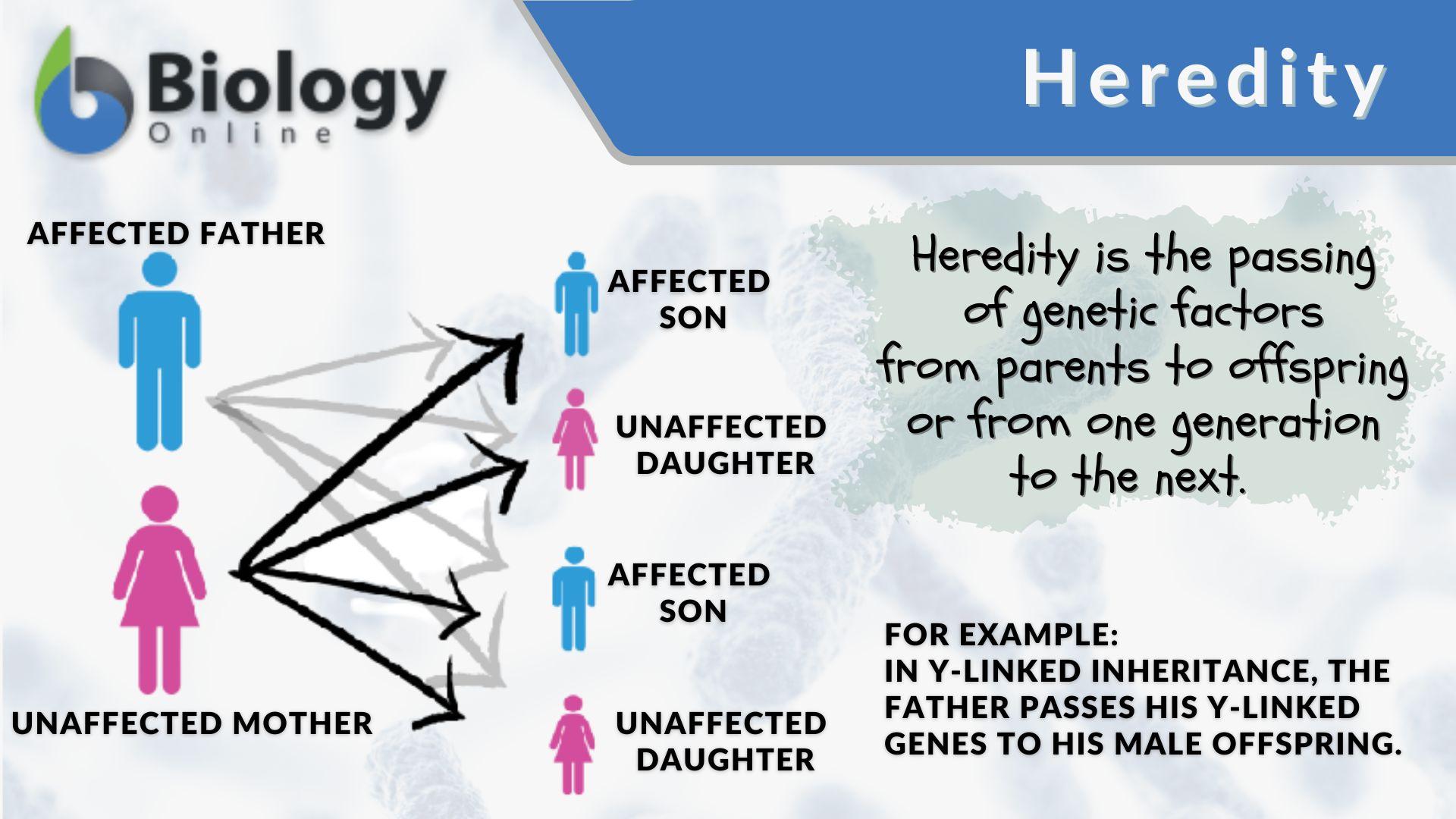
Heredity Definition Biology Autosomal Dominant Inheritance
Which is the correct form to use depends on the subject of your sentence. He/she/it form of do 3. He/she/it form of do 2. Both do and does are present tense forms of the verb do. Does in british english (dʌz ) verb (used with a singular noun or the pronouns he, she, or it) a form of the present.
Which Is The Correct Form To Use Depends On The Subject Of Your Sentence.
Does in british english (dʌz ) verb (used with a singular noun or the pronouns he, she, or it) a form of the present tense (indicative mood) of do 1 He/she/it form of do 3. He/she/it form of do 2. Both do and does are present tense forms of the verb do.
See Examples Of Does Used In A Sentence.
Present simple of do, used with he/she/it.