What Does The Word Inhibition Mean - Does in british english (dʌz ) verb (used with a singular noun or the pronouns he, she, or it) a form of the present tense (indicative mood) of do 1 Both do and does are present tense forms of the verb do. Present simple of do, used with he/she/it. See examples of does used in a sentence. He/she/it form of do 2. Which is the correct form to use depends on the subject of your sentence. He/she/it form of do 3.
Which is the correct form to use depends on the subject of your sentence. Both do and does are present tense forms of the verb do. He/she/it form of do 3. He/she/it form of do 2. Present simple of do, used with he/she/it. See examples of does used in a sentence. Does in british english (dʌz ) verb (used with a singular noun or the pronouns he, she, or it) a form of the present tense (indicative mood) of do 1
Which is the correct form to use depends on the subject of your sentence. Present simple of do, used with he/she/it. Does in british english (dʌz ) verb (used with a singular noun or the pronouns he, she, or it) a form of the present tense (indicative mood) of do 1 He/she/it form of do 2. See examples of does used in a sentence. Both do and does are present tense forms of the verb do. He/she/it form of do 3.
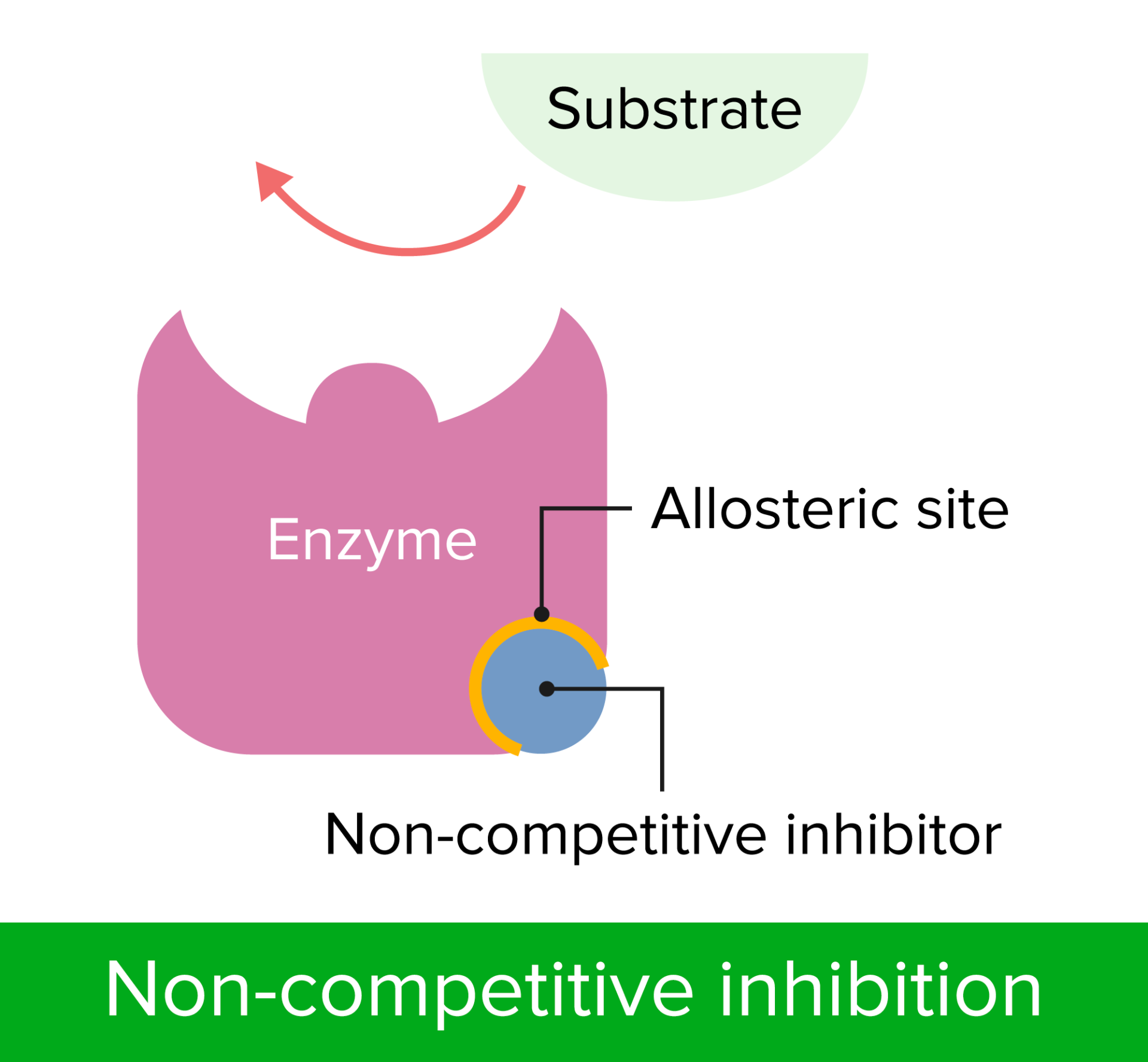
Enzyme Inhibition Concise Medical Knowledge
Does in british english (dʌz ) verb (used with a singular noun or the pronouns he, she, or it) a form of the present tense (indicative mood) of do 1 Both do and does are present tense forms of the verb do. Which is the correct form to use depends on the subject of your sentence. He/she/it form of do.

Response Inhibition Carrie Schmitt
Does in british english (dʌz ) verb (used with a singular noun or the pronouns he, she, or it) a form of the present tense (indicative mood) of do 1 Both do and does are present tense forms of the verb do. Which is the correct form to use depends on the subject of your sentence. See examples of does.

Medical vocabulary What does Inhibition (Psychology) mean YouTube
Does in british english (dʌz ) verb (used with a singular noun or the pronouns he, she, or it) a form of the present tense (indicative mood) of do 1 Both do and does are present tense forms of the verb do. See examples of does used in a sentence. Which is the correct form to use depends on the.

Pronunciation of Inhibition Definition of Inhibition YouTube
Both do and does are present tense forms of the verb do. He/she/it form of do 2. Present simple of do, used with he/she/it. He/she/it form of do 3. See examples of does used in a sentence.

Enzyme Inhibition — Overview & Types Expii
Which is the correct form to use depends on the subject of your sentence. Both do and does are present tense forms of the verb do. He/she/it form of do 2. He/she/it form of do 3. Does in british english (dʌz ) verb (used with a singular noun or the pronouns he, she, or it) a form of the present.

Enzyme Inhibitor Definition & Examples Video & Lesson Transcript
He/she/it form of do 2. See examples of does used in a sentence. Present simple of do, used with he/she/it. He/she/it form of do 3. Both do and does are present tense forms of the verb do.
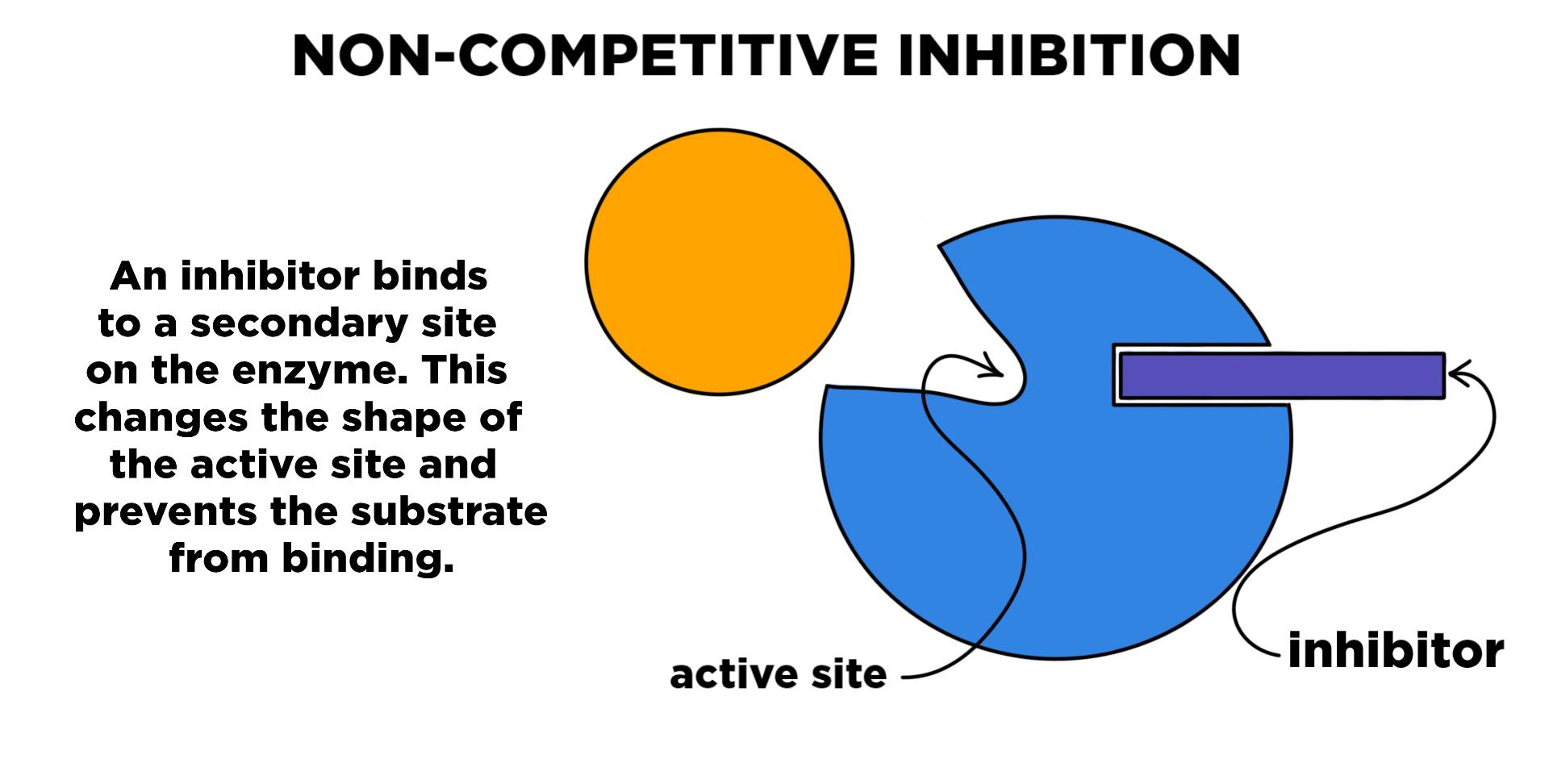
Enzymes Definition
Both do and does are present tense forms of the verb do. Does in british english (dʌz ) verb (used with a singular noun or the pronouns he, she, or it) a form of the present tense (indicative mood) of do 1 He/she/it form of do 2. He/she/it form of do 3. Which is the correct form to use depends.
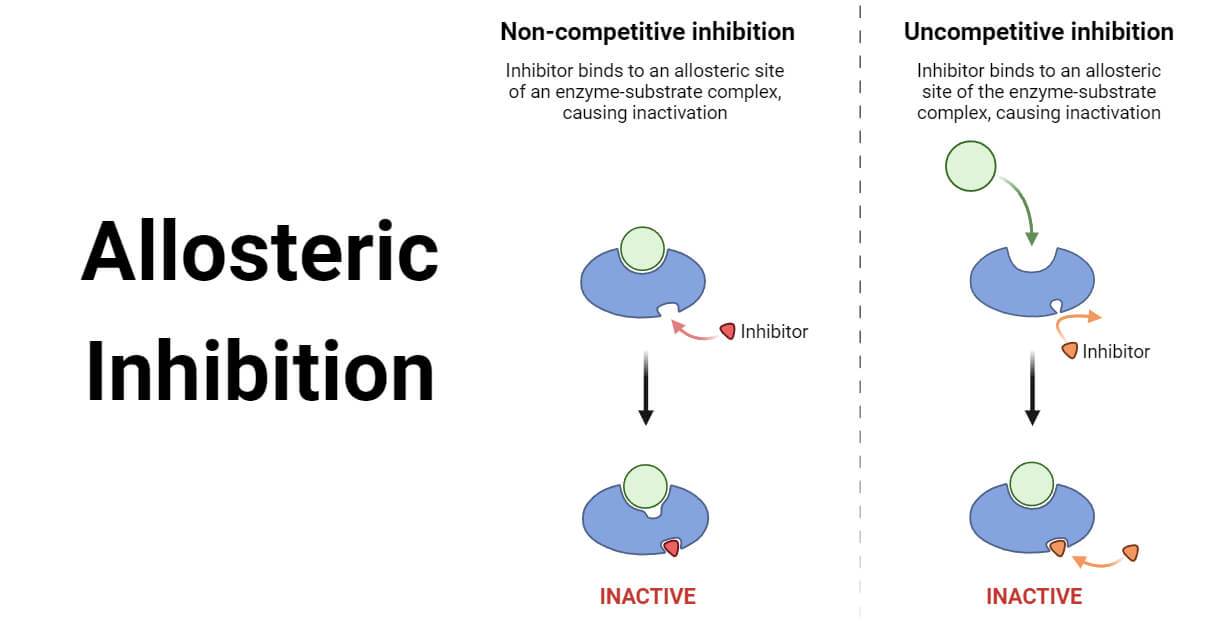
What Does Inhibit Mean Store ststephenpc.gov.uk
Both do and does are present tense forms of the verb do. Present simple of do, used with he/she/it. He/she/it form of do 3. See examples of does used in a sentence. He/she/it form of do 2.
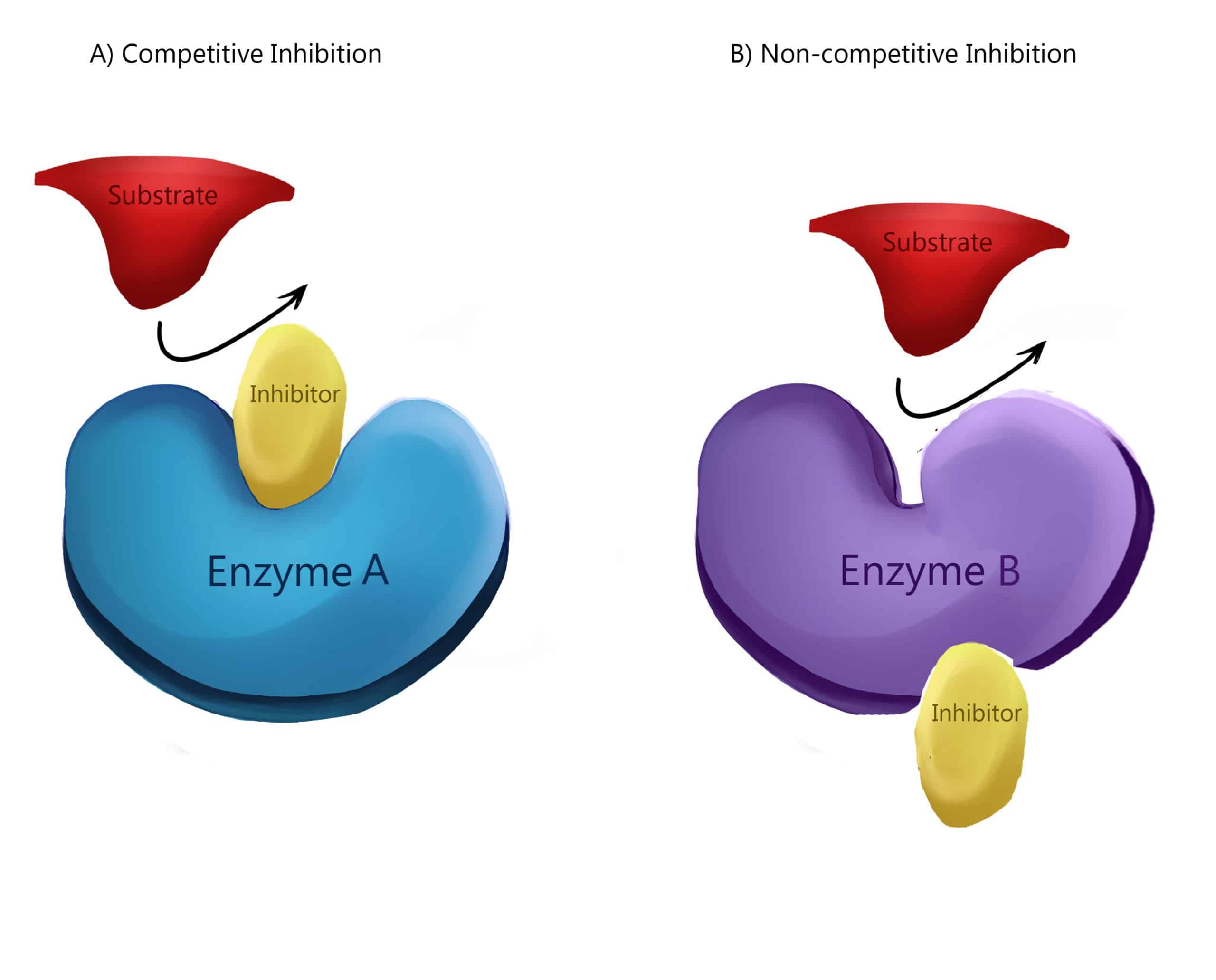
What Does Inhibit Mean Store ststephenpc.gov.uk
He/she/it form of do 2. He/she/it form of do 3. Present simple of do, used with he/she/it. Which is the correct form to use depends on the subject of your sentence. See examples of does used in a sentence.
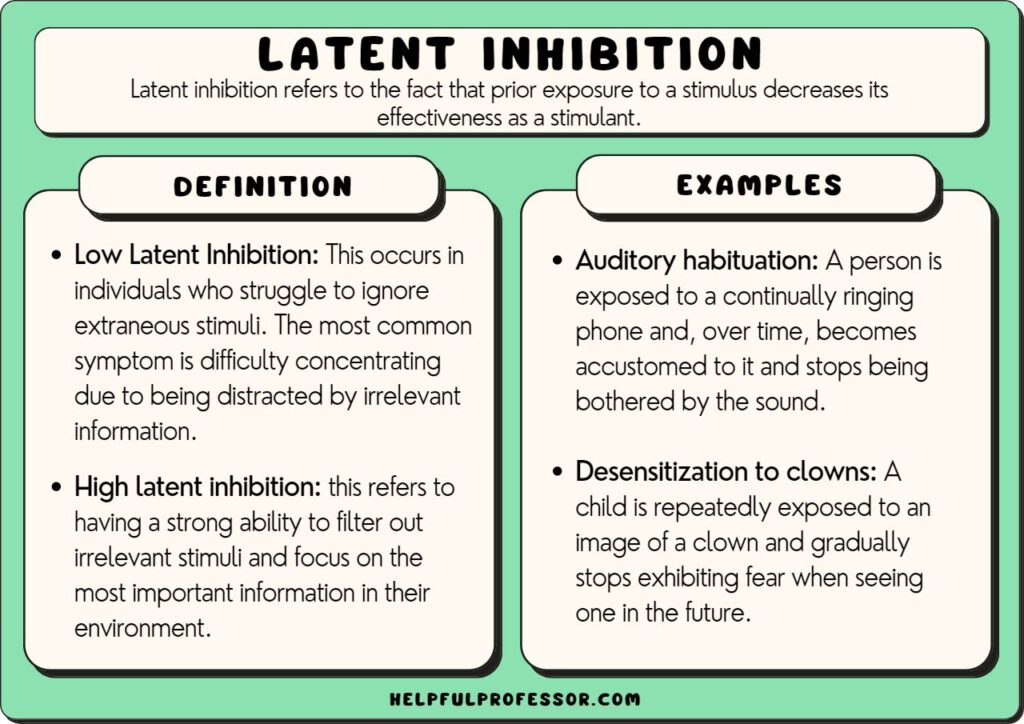
Latent Inhibition 10 Examples and Definition (2025)
Does in british english (dʌz ) verb (used with a singular noun or the pronouns he, she, or it) a form of the present tense (indicative mood) of do 1 Both do and does are present tense forms of the verb do. He/she/it form of do 3. See examples of does used in a sentence. Which is the correct form.
Present Simple Of Do, Used With He/She/It.
He/she/it form of do 2. Which is the correct form to use depends on the subject of your sentence. Does in british english (dʌz ) verb (used with a singular noun or the pronouns he, she, or it) a form of the present tense (indicative mood) of do 1 He/she/it form of do 3.
Both Do And Does Are Present Tense Forms Of The Verb Do.
See examples of does used in a sentence.